
5 Steps to Steady Potency and Intimacy Confidence

Meta description: Discover 5 natural steps for PIED recovery, calmer arousal, better timing, and lasting intimacy confidence, without pills or medication. Many men try to solve performance concerns by focusing only on the physical response. That approach can miss the deeper pattern. Confidence, attention, stress, habits, reward pathways, and emotional safety all influence how your body responds during intimacy. When these systems work together, steady potency becomes easier to build and maintain. This guide explains five practical steps you can begin today. It focuses on psychological, mental, and neurological factors, including PIED recovery, performance anxiety, premature ejaculation anxiety, attention regulation, nervous-system calm, and reward-system retraining. Persistent or sudden changes can also have medical causes. If your symptoms continue, speak with a qualified healthcare professional. Step 1: Identify the Pattern Behind Your Performance Before changing a habit, identify what is actually happening. A temporary response problem after stress, poor sleep, alcohol, or conflict may have a different cause from a long-standing pattern connected to anxiety or digital stimulation. You may also experience a combination of physical and psychological factors. Complete a simple seven-day pattern audit For the next week, write down: Your sleep quality and energy level Your stress level before intimacy Whether you were focused on connection or monitoring your performance Your use of highly stimulating digital material Whether your response differs when alone and with a partner Any recurring thoughts, fears, or expectations What helped you feel calmer and more present Do not use the journal to criticize yourself. Use it to detect patterns. Common PIED symptoms can include reduced responsiveness with a partner, needing increasingly specific stimulation, difficulty staying present, or relying on mental images instead of real-life connection. These signs do not prove a single cause, but they can show where to investigate. The goal of this first step is clarity. You cannot retrain a pattern you have not recognized. For more guidance, read the brain-rewiring guide for digital habits. Step 2: Calm Your Nervous System Before Intimacy Performance anxiety can place your body in a threat-focused state. Your attention moves toward monitoring, predicting failure, or trying to control every response. That pressure can make natural arousal more difficult. Use a five-minute downshift Before intimacy, try this sequence: Sit or lie comfortably and relax your jaw. Inhale gently through your nose for four seconds. Exhale slowly for six seconds. Repeat for ten rounds. Notice five physical sensations without judging them. Tell yourself: “I do not need to force a result. I can stay present.” The longer exhale is a simple way to encourage a calmer state. It does not guarantee a particular physical response, but it can reduce the mental pressure that often interferes with one. During intimacy, return your attention to breathing, warmth, touch, and emotional closeness. If your mind asks, “Am I responding correctly?” acknowledge the thought and gently return to sensation. This is especially relevant when performance anxiety and response difficulties appear together. The aim is not to eliminate every anxious thought. The aim is to stop allowing one thought to control the entire experience. Step 3: Retrain Attention and Arousal Many men have trained their attention to seek constant novelty, speed, or intensity. This can make ordinary touch and gradual arousal feel less noticeable. Attention is trainable. You can begin redirecting it today. Practise low-pressure presence Set aside ten minutes for a non-goal-focused exercise. This can be done alone or with a partner. Focus on: The temperature of your skin The rhythm of your breathing Changes in muscle tension The difference between anticipation and actual sensation The feeling of closeness and safety Small changes in arousal intensity Do not test yourself. Do not measure how quickly your body responds. Do not turn the exercise into a performance examination. If your attention moves toward a screen, fantasy, comparison, or fear, notice it and return to the present moment. Each return is a repetition that strengthens attention regulation. Slow down the intensity curve Start below maximum intensity and build gradually. If arousal rises too quickly, pause, breathe, and allow the intensity to settle before continuing. This method can help men who are searching for how to last longer in bed naturally. Timing control is not only a physical skill. It also depends on noticing early signals, staying relaxed, and avoiding sudden increases in stimulation. For a practical timing reference, read 7 timing mistakes and natural control strategies. Step 4: Retrain the Reward System Reward-system conditioning can influence what your brain expects from intimacy. Fast, private, highly stimulating digital habits may train the brain to look for novelty and immediate intensity. Real connection usually develops more gradually. PIED recovery therefore requires more than simply removing an old habit. It also requires building new associations. Replace the old loop with a new one Use this three-part process: 1. Remove the trigger.Keep stimulating digital material away from your bedroom. Use website restrictions if needed. Avoid browsing when tired, lonely, angry, or bored. 2. Interrupt the urge.When an urge appears, wait ten minutes before acting. Stand up, breathe slowly, walk, or take a brief shower. The purpose is to create space between the urge and the habit. 3. Install a healthier reward.Choose an activity that creates genuine satisfaction: exercise, conversation, music, reading, nature, or time with a partner. The brain needs a meaningful alternative, not only deprivation. You can also write down three moments each evening when you were focused, disciplined, calm, or connected. This teaches your attention to register progress instead of scanning only for failure. Recovery is not always linear. A difficult day does not erase the work you have completed. Measure progress by your ability to recognize triggers, recover after setbacks, and choose a different response. Step 5: Build Confidence Through Communication and Repetition Confidence grows from evidence. You create that evidence through small, repeatable experiences rather than one perfect night. Premature ejaculation anxiety often becomes stronger when a man expects failure before intimacy begins. The same cycle can occur when he fears losing firmness
Natural Potency Q&A: 7 Myths About Lasting Power

Meta description: Learn how anxiety, attention, conditioning, and trauma responses affect lasting power, and how to last longer in bed naturally without pills. I am Martina Somorjai, an Award-Winning Potencyologist® and a leading innovator in natural male performance transformation. In my work, I help men understand that confidence and lasting power are not simply matters of willpower, age, or physical strength. Performance difficulties can involve psychological, mental, neurological, relationship, lifestyle, and physical factors. The most useful first step is replacing shame with accurate information. Below, I answer seven common questions about lasting power, performance anxiety, PIED symptoms, and natural recovery. Myth 1: Performance difficulties only happen to older men Fact: Men of different ages can experience changes in confidence and physical response. Age can influence circulation, hormone levels, nerve function, and general health. However, younger men can also struggle because of stress, poor sleep, anxiety, relationship pressure, high stimulation habits, or fear of repeating a previous difficult experience. The University of Iowa Health Care explains that younger men are not immune to performance difficulties and that stress, anxiety, lifestyle factors, and health conditions may all contribute. This is why age alone rarely explains the complete picture. A man in his twenties may experience a fear-driven response loop, while a man in his fifties may experience a combination of circulation changes, medication effects, and anxiety. The right question is not, “Am I too young for this?” The better question is, “What factors are influencing my response?” Myth 2: It is either physical or psychological Fact: Body and mind constantly influence each other. The phrase “it is all in your head” is dismissive and inaccurate. Psychological causes are real, but physical contributors also deserve attention. Stress and anxiety can activate the body’s threat system. When the brain detects danger, judgment, or failure, attention moves away from connection and toward self-protection. Breathing may become shallow, muscles may tense, and arousal regulation can become more difficult. At the same time, circulation, nerve health, hormones, sleep, alcohol use, medication, diabetes, and cardiovascular health can influence physical response. The causes often overlap: A difficult experience creates fear. Fear increases self-monitoring. Self-monitoring reduces presence. Reduced presence changes arousal. The experience then becomes “proof” that the fear was correct. That is a psychological and neurological loop, not a character flaw. For persistent or sudden changes, a qualified healthcare professional should assess possible physical causes. Root-cause coaching can be valuable, but it should not replace appropriate medical evaluation. Myth 3: Performance anxiety cannot affect physical response Fact: Anxiety can directly interfere with attention, arousal, and confidence. Performance anxiety is not simply nervousness. It can become a learned alarm response. A man may enter an intimate moment thinking: “What if it happens again?” “Will my partner notice?” “I need to last longer.” “I have to prove myself.” These thoughts divide attention. Instead of noticing touch, breathing, emotion, and connection, the mind starts monitoring the body like a test examiner. This is especially relevant to performance anxiety-related physical difficulties and premature ejaculation anxiety. Pressure increases mental arousal, but mental arousal is not always the same as connected, pleasurable arousal. When fear and urgency rise together, timing and control may become harder. In my approach, I focus on interrupting the fear loop through: Identifying automatic thoughts. Regulating the nervous system. Returning attention to present-moment sensations. Removing the demand to “perform perfectly.” Building new experiences of safety and confidence. The goal is not to force the body to respond. The goal is to create conditions in which a natural response becomes easier. Myth 4: One difficult experience means you have a permanent condition Fact: Occasional difficulty does not automatically indicate a lasting disorder. Fatigue, stress, alcohol, illness, relationship tension, travel, and a new partner can all temporarily affect performance. Some variation is normal. A single difficult experience can become more significant when it is interpreted as a permanent identity: “This proves something is wrong with me.” That interpretation can create anticipatory anxiety before the next intimate moment. The fear then becomes more influential than the original event. However, repeated or worsening difficulties should not be ignored. The University of Iowa Health Care notes that persistent difficulties may have psychological, neurological, cardiovascular, lifestyle, or other health-related causes. A useful distinction is: Temporary variation: linked to a specific circumstance and resolves. Recurring pattern: appears across multiple situations or continues over time. Mixed pattern: occurs mainly with a partner, under pressure, or after specific habits. Tracking patterns without judgment can help identify the underlying drivers. Myth 5: PIED means the brain is permanently damaged Fact: PIED symptoms can involve learned conditioning, anxiety, and attention patterns, but “permanent damage” is not an appropriate conclusion. Some men notice that screen-based stimulation feels easier or more intense than partnered intimacy. They may need highly specific stimulation, struggle to stay present, or experience reduced confidence with a partner. These patterns can involve dopamine-driven conditioning. Repeated exposure to novelty, rapid switching, and highly controlled stimulation may train attention toward screens and immediate reward. That does not prove that this pattern affects every man in the same way, and current research does not establish that screen use automatically causes performance difficulties for everyone. PIED recovery is therefore not about panic or self-punishment. It is about understanding the pattern and gradually developing healthier responses. Helpful areas of focus may include: Reducing compulsive digital habits. Restoring attention to real-life connection. Addressing shame and avoidance. Challenging unrealistic expectations. Practising calm, non-goal-oriented intimacy. Processing unresolved emotional experiences. Trauma responses may also influence arousal and trust. That does not mean every performance issue comes from trauma. It means that past experiences can sometimes teach the nervous system to associate closeness with danger, judgment, or loss of control. Myth 6: Lasting longer is only about willpower Fact: Timing depends on nervous-system regulation, attention, arousal, communication, and learned physical patterns. Trying harder can sometimes increase pressure. When a man constantly monitors whether he is lasting long enough, he may become more tense and disconnected. Learning how to last
7 Myths the Science of Potency Quietly Debunks

Meta description: Explore PIED recovery through seven science-informed myths about anxiety, conditioning, pills, timelines, and natural confidence rebuilding. Performance difficulties can feel intensely physical. You may notice a change in firmness, lose confidence with a partner, climax sooner than you want, or respond differently with a screen than during real intimacy. But the body does not work in isolation. The brain, nervous system, emotions, expectations, habits, and relationship environment all influence intimate performance. I am Martina Somorjai, an Award-Winning Potencyologist® and a leading innovator in root-cause potency restoration. In my work, I help men look beyond surface symptoms and understand the psychological, mental, and neurological patterns that may be influencing their response. The following seven myths are designed to replace fear with a more accurate understanding. 1. Is a performance problem only physical? Myth: If your body is not responding consistently, the cause must be a physical defect. Fact: Physical and psychological factors can both contribute, but mental and neurological causes are frequently overlooked. Performance anxiety, relationship tension, low self-confidence, previous disappointment, stress, and constant self-monitoring can interfere with the brain-body processes involved in arousal and firmness. A man may respond normally alone or in the morning but struggle in a high-pressure situation with a partner. This pattern does not prove that the cause is psychological. It shows why a broader assessment matters. Medical conditions, medication side effects, hormone changes, diabetes, cardiovascular concerns, and nerve-related problems should also be considered. A useful starting point is to examine when the difficulty occurs, not only whether it occurs. Clinical resources from UCSF Health and a peer-reviewed clinical review support the importance of distinguishing physical, psychological, and mixed causes. 2. Do pills fix the problem permanently? Myth: Medication solves the root cause of every performance difficulty. Fact: Medication can support blood flow for some men, but it does not automatically retrain anxiety, self-monitoring, emotional distress, or conditioned arousal patterns. For some people, prescribed medication is clinically appropriate. It should only be used according to a qualified clinician’s advice. However, a pill does not teach the nervous system to feel safe, reduce fear of failure, or change a habit loop connected to screen-based stimulation. When the main driver is performance anxiety, the brain may remain in a high-alert state even when physical support is available. This is why some men report inconsistent results despite trying medication. A complete plan may involve medical screening alongside psychological education, nervous-system regulation, communication, and gradual confidence rebuilding. Medication can be one tool, but it should not be assumed to be a permanent answer by itself. 3. Does PIED mean permanent brain damage? Myth: PIED symptoms prove that your brain or body has suffered irreversible damage. Fact: PIED is commonly used to describe a pattern in which screen-based stimulation becomes easier or more compelling than partnered intimacy. The pattern can be persistent, but “persistent” does not mean “permanent.” Common PIED symptoms may include: Responding more easily to a screen than to a partner Needing increasingly specific or intense stimulation Losing focus during real intimacy Requiring mental images to maintain arousal Feeling emotionally disconnected during partnered closeness Experiencing shame or anxiety after repeated difficulties Learning and conditioning are not fixed forever. The brain can adapt to repeated habits, and it can also adapt when those habits change. This capacity is known as neuroplasticity. That does not mean recovery happens instantly or identically for every man. Research on problematic digital habits and partnered performance is still developing, and individual outcomes vary. Insufficient data to verify a universal recovery timeline or to claim that every case has the same cause. A more constructive question is not, “Am I permanently damaged?” but, “What patterns has my nervous system learned, and what new patterns do I need to practise?” 4. Is quitting alone enough for PIED recovery? Myth: Simply stopping screen-based stimulation will resolve every symptom. Fact: Reducing or stopping a problematic habit may be an important first step, but it may not address the anxiety, beliefs, loneliness, or performance conditioning underneath it. Imagine removing a shortcut from a map. The shortcut disappears, but the destination does not automatically become familiar. A man may stop using stimulating content and still carry: Fear that he will fail again Habitual self-monitoring Unrealistic expectations Difficulty staying present Shame around his history A nervous system trained to expect instant novelty This is why structured recovery often includes more than avoidance. It may involve identifying triggers, rebuilding attention, learning calming techniques, practising communication, and gradually reconnecting arousal with real touch and emotional safety. My brain-rewiring guide explains why changing behaviour and retraining attention need to work together. 5. Does recovery always take years? Myth: If the problem has lasted a long time, improvement must take many years. Fact: There is no reliable universal timeline. Some men notice changes quickly when pressure decreases and they understand the anxiety loop. Others need longer because the pattern involves years of conditioning, trauma, relationship distress, depression, general anxiety, or a medical contributor. The length of time you have experienced a difficulty does not provide enough information to predict your personal recovery. Anyone promising an identical result for every man is oversimplifying a complex process. Progress may appear first as: Less anticipatory fear Better concentration during intimacy More honest communication Reduced dependence on specific stimulation Greater control during moments of excitement More consistent confidence The goal is not to force a perfect response immediately. The goal is to create the conditions in which natural response becomes easier and less pressured. 6. Is anxiety “just in your head”? Myth: If anxiety contributes to the problem, it is imaginary or not a real physical issue. Fact: Anxiety begins in the brain, but it can create measurable changes throughout the body. When the brain detects threat, the sympathetic nervous system can become more active. Heart rate and muscle tension may rise, attention narrows, and the body prepares for danger rather than relaxed intimacy. This creates a difficult loop: You remember a previous disappointment. You predict that
Natural Potency Restoration: A 5-Step Intimacy Guide

Meta description: Learn how to last longer in bed naturally with five practical steps for PIED recovery, calmer confidence, and a stronger mind-body connection. Natural potency restoration is not about chasing a perfect performance every time. It is about rebuilding trust between your mind, nervous system, body, and partner. For many men, response difficulties are connected to stress, self-monitoring, digital conditioning, relationship tension, or deeply rooted beliefs about masculinity. These factors can exist alongside physical contributors, which is why a complete approach should consider psychological, mental, neurological, and medical causes. This five-step guide offers a practical starting point for men who want stronger intimacy confidence without relying only on pills or temporary solutions. Expert perspective: Martina Somorjai, Award-Winning Potencyologist®, is a leading innovator in root-cause potency work. With 10 years of full-time experience, her approach focuses on the mental, emotional, and neurological patterns that can influence male performance. What does natural potency restoration mean? Natural potency restoration means supporting the conditions that allow your body to respond more reliably. This can include: Reducing performance anxiety Rebuilding healthier digital habits Improving communication with a partner Practising nervous-system regulation Supporting sleep, movement, and general health Understanding the psychological causes of erectile dysfunction It does not mean ignoring medical concerns. Recurring erectile dysfunction can sometimes be linked to high blood pressure, diabetes, medication effects, hormone concerns, anxiety, or depression. The NHS recommends speaking with a doctor when response problems keep happening because they can sometimes indicate a treatable health condition. Read the NHS guidance on recurring erectile dysfunction. Step 1: Map your personal response pattern Before changing anything, identify when and how the difficulty appears. Avoid judging yourself. Treat the process like gathering useful information. Write down: When the problem first appeared Whether it happens with a partner, alone, or in both situations Whether morning responses are still present Whether stress, tiredness, alcohol, or medication affect the pattern Whether the difficulty involves firmness, maintaining a response, or reaching release too quickly Whether the issue began after a relationship change, stressful event, or increase in screen-based stimulation A partner-dependent pattern can sometimes point toward anxiety, self-monitoring, relationship tension, or conditioned arousal. However, it is not proof of a psychological cause. A sudden or persistent change deserves professional medical attention. The goal is not to choose between “mental” and “physical” too quickly. Both can contribute at the same time. For a more detailed explanation, read Is It Mental or Medical?. Step 2: Address PIED symptoms and high-intensity digital habits PIED is commonly used to describe response difficulties associated with repeated exposure to explicit digital stimulation. Common PIED symptoms may include: Stronger response to a screen than to partnered closeness Dependence on novelty or increasingly intense material Difficulty staying present with a partner Needing to replay digital images mentally Reduced confidence during real-life intimacy Anxiety after repeated unsuccessful attempts The evidence surrounding PIED is still developing, so these symptoms should not be treated as a confirmed diagnosis. They can overlap with general anxiety, stress, relationship difficulties, and medical conditions. A practical PIED recovery plan begins with reducing or stopping explicit digital content for a period of time. Replace automatic screen use with activities that reconnect attention to the body and real-world connection. Try these boundaries: Remove private access points that encourage automatic use. Avoid testing your response repeatedly. Notice urges without immediately acting on them. Spend more time on touch, conversation, exercise, and rest. If you return to solo stimulation, use slower pacing and less intense material. The purpose is not punishment. It is to give your attention and reward system new experiences to learn from. The Brain Rewiring Guide explores how digital habits can influence confidence and partnered connection. Step 3: Interrupt the performance-anxiety loop Performance anxiety and erectile dysfunction can reinforce each other. The typical pattern looks like this: You remember a previous difficult experience. You predict that the same thing will happen again. Your nervous system shifts into threat mode. You monitor your firmness instead of experiencing closeness. Pressure increases and your response becomes less reliable. The experience becomes new evidence for future worry. The way out is not to force a stronger response. It is to reduce the threat signal. Use a simple breathing reset Before intimacy, try: Inhale gently for four counts. Exhale slowly for six counts. Repeat for two to five minutes. A longer exhale can help you move away from frantic, high-alert breathing. Do not use breathing as a test that must produce a specific physical result. Use it to create calm and presence. Replace performance thoughts Change: “I must prove myself” into “I can stay connected.” “It will happen again” into “This moment is different.” “My partner will judge me” into “We can communicate and slow down.” These statements are not empty positive thinking. They help shift attention away from catastrophic predictions. Anchor attention in the body Notice the warmth of your partner’s skin, the rhythm of your breathing, the pressure of touch, and the emotional sense of closeness. The more attention moves toward present sensations, the less space remains for constant internal checking. The related five-step performance-anxiety guide offers additional exercises. Step 4: Rebuild intimacy without pressure When every intimate moment becomes a test, anxiety has too much influence. For a while, remove the demand for intercourse, firmness, or a specific outcome. Begin with relaxed closeness: Talking without phones nearby Holding each other Giving and receiving non-goal-oriented touch Exploring what feels comfortable Taking breaks without embarrassment Agreeing that either person can slow down or stop This approach is similar to sensate-focus exercises used in intimacy counselling. The objective is to restore safety and curiosity before expecting consistent performance. Communication is essential. A simple sentence can reduce pressure: “I want us to focus on closeness rather than proving anything tonight.” If premature ejaculation anxiety is part of the pattern, use slower pacing, pauses, and calm breathing. You can also change rhythm or take a short break before the pressure becomes overwhelming. Learning how to last longer in
PIED Myths vs. Science: 6 Answers That Change Everything

Meta description: PIED recovery explained through six science-informed answers about brain conditioning, stress, shame, performance pressure, and rebuilding natural confidence. PIED is a term used to describe a pattern in which a man responds differently to high-intensity digital stimulation than to real-life intimacy. The pattern can involve reduced physical response with a partner, difficulty staying present, reliance on specific visual cues, or anxiety before intimate moments. It is important to be precise: PIED is not a formal medical diagnosis, and the evidence does not prove that digital content alone causes every case. Physical health, medication, sleep, mood, relationship tension, stress, and learned habits can all play a part. The encouraging truth is that these patterns are not automatically permanent. I am Martina Somorjai, an Award-Winning Potencyologist® and a leading innovator in root-cause potency restoration. In my work over the past 10 years, I have focused on the psychological, mental, neurological, and emotional factors that can influence male confidence and performance. Below are six common myths about PIED, followed by the science-informed answer that can help you understand your own experience more clearly. Myth 1: PIED means permanent brain damage Fact: Learned patterns can change because the brain is adaptable There is no established evidence that PIED automatically means permanent brain damage. The more accurate explanation is often conditioning. The brain learns from repetition. If arousal repeatedly becomes connected with a screen, constant novelty, isolation, or a very specific stimulation pattern, those cues may become especially powerful. Partnered intimacy may then feel less automatic because it does not provide the same level of rapid novelty or control. This is neuroplasticity: the brain changes in response to repeated experiences. Importantly, neuroplasticity works in both directions. A learned pattern can be reinforced, but it can also be reshaped. PIED recovery may involve reducing high-intensity digital stimulation, rebuilding attention toward real-world closeness, processing anxiety, and creating new associations with safety and connection. That does not mean every man will recover in the same way or on the same schedule. It means “I am permanently damaged” is not a science-based conclusion. Myth 2: Every man with PIED symptoms has PIED Fact: Similar symptoms can have different causes PIED symptoms can overlap with many other conditions and life circumstances. A man may experience difficulty responding because of performance pressure, low mood, relationship conflict, exhaustion, substance use, medication, hormonal factors, circulation issues, or neurological conditions. The pattern may be more psychological or conditioning-related when: Response is stronger alone than with a partner. Difficulties began after a period of intense digital stimulation. The problem changes according to stress or emotional safety. Morning responses still occur. Worry and self-monitoring appear before or during intimacy. These signs do not provide a diagnosis. They simply offer useful information for a fuller assessment. A sudden, persistent, or general change deserves medical attention, especially when it occurs in every situation or appears alongside pain, numbness, other health symptoms, or a medication change. My guide to understanding mental and medical factors explains why both areas should be considered. Myth 3: Digital stimulation destroys dopamine receptors Fact: The reward system adapts, but permanent receptor destruction has not been established Dopamine is involved in motivation, learning, attention, and the anticipation of rewarding experiences. It is not simply a “pleasure chemical,” and it is inaccurate to claim that digital stimulation automatically destroys dopamine receptors. A more careful explanation is that repeated exposure to intense novelty can train the reward system to pay stronger attention to specific cues. The brain may begin to expect rapid changes, constant novelty, or a particular routine. Everyday intimacy can then seem slower or less immediately stimulating by comparison. This is a functional learning pattern, not proof of irreversible damage. The brain’s reward system is also influenced by stress and expectation. If a man repeatedly uses digital stimulation to avoid uncomfortable feelings, that habit can become connected with relief. The loop may then involve both reward and emotional escape. For a balanced overview of the current evidence, read this review available through PubMed Central. Myth 4: Only complete abstinence can lead to PIED recovery Fact: There is no single universal recovery protocol Some men choose complete abstinence from explicit digital material. Others begin with substantial reduction, stronger boundaries, and a gradual shift toward non-screen awareness. There is no universally proven protocol that works identically for every person. The key question is not only, “How often does this happen?” It is also: What triggers the habit? What emotions appear beforehand? What stimulation patterns have become automatic? Does the habit replace closeness or help avoid anxiety? What happens afterward: relief, shame, frustration, or renewed confidence? A sustainable plan addresses the whole loop rather than relying on willpower alone. It may include reducing novelty, changing routines, improving sleep, limiting private access during vulnerable times, and learning to tolerate uncomfortable emotions without returning to the old pattern. If you are searching for how to last longer in bed naturally, start with the nervous system rather than chasing a quick trick. Greater stamina is easier to build when pressure decreases, attention becomes steadier, and the body no longer interprets intimacy as a test. Myth 5: PIED is only a digital-habit problem Fact: Attention, stress, shame, and performance pressure can maintain the pattern Digital habits may be one contributor, but they are rarely the entire story. Performance anxiety can create a powerful feedback loop: You remember a difficult experience. You predict that it will happen again. Your body enters a stress and fear response. Your attention shifts toward monitoring your performance. Normal changes in response feel like proof of failure. Anxiety increases further. This can occur even when digital habits are no longer intense. The brain may have learned to associate intimacy with evaluation instead of connection. The same principle applies to premature ejaculation anxiety. Fear of losing control can make a man focus on timing, tension, and judgment. That monitoring can make it harder to notice sensation, breathing, and emotional safety. Shame adds another layer. When a
PIED Recovery and Performance Anxiety: 5 Root-Cause Steps

Meta description: PIED recovery can improve when you address threat response, attention loops, screen conditioning, pressure, and confidence, without pills. Why PIED Recovery Requires More Than Symptom Control PIED recovery and performance anxiety often reinforce each other. A difficult experience can create fear of repeating it. That fear activates the body’s threat response. The threat response then makes it harder to stay relaxed, present, and responsive. After several repetitions, intimacy can begin to feel like a test instead of a natural connection. This is why root-cause work matters. Pills may change a short-term physical response, but they do not train attention, calm the threat system, or rebuild confidence. In that sense, pills mask symptoms rather than fix the cause. The PoP Potency Program focuses on psychological, mental, neurological, and confidence-related patterns without pills or medication. Martina Somorjai: A Leading Innovator in Root-Cause Potency Work I am Martina Somorjai, an Award-Winning Potencyologist® and a leading innovator in root-cause potency work. With 10 years of experience, I created the PoP Potency Program: a private, 30-day, 100% online program designed to address performance difficulties without pills or medication. My approach looks beyond the visible symptom. I help men examine the thought patterns, stimulus conditioning, pressure, self-image, and emotional history that may be influencing their physical response. The five steps below are educational starting points. They are designed to help you understand the mechanics behind PIED, performance anxiety, and premature ejaculation anxiety. Step 1: Down-Regulate the Threat Response When your mind interprets intimacy as a high-stakes situation, your body may move into protection mode. You may notice tight muscles, shallow breathing, racing thoughts, or an urgent need to check whether your body is responding “correctly.” This is not a character flaw. It is a learned threat pattern. What to practise Before intimacy, spend two to five minutes slowing your breathing: Inhale gently through your nose. Exhale more slowly than you inhale. Relax your jaw, shoulders, stomach, and pelvic area. Notice three physical sensations without judging them. Remind yourself: “I do not need to prove anything in this moment.” The goal is not to force a response. The goal is to teach your nervous system that closeness is not an emergency. Why this targets the root cause If every intimate situation begins with pressure, your body learns to associate closeness with danger. Down-regulation interrupts that association before it becomes automatic. Step 2: Break the Spectatoring and Self-Monitoring Loop Spectatoring means mentally stepping outside the experience and watching yourself perform. You may ask: Am I responding strongly enough? How long will this last? Does my partner notice? What if I lose control? What if I disappoint them? These questions pull attention away from physical sensation and emotional connection. The more you monitor, the more pressure you create. Use the three-point attention reset When you notice self-monitoring, bring your attention to: One body sensation, such as warmth or pressure. One sound in the room. One point of connection with your partner, such as eye contact, touch, or breathing rhythm. Do not check your performance immediately afterward. Checking simply restarts the loop. Replace evaluation with curiosity Instead of asking, “Am I performing well?” ask, “What am I noticing right now?” That small change moves your mind from judgment into presence. Over time, your brain can learn that intimacy is an experience to feel rather than an examination to pass. Step 3: Retrain Attention Away From the Old Stimulus Pattern One part of PIED recovery involves changing the attention and reward pattern connected to highly intense, screen-based stimulation. PIED symptoms may include difficulty responding to real-life intimacy, needing very specific stimulation, losing responsiveness during partnered closeness, or feeling more focused on a screen pattern than on the person in front of you. The issue is not solved by simply demanding a response from yourself. The deeper task is to retrain attention. Create a practical stimulus reset For the next seven days: Remove saved material and easy access points that pull you toward the old pattern. Notice what situations trigger the urge to return to it. Delay the urge for ten minutes while doing something physical, such as walking or stretching. During real-life closeness, focus on slower sensations, breathing, voice, touch, and emotional safety. Avoid turning every intimate experience into a test of recovery. The aim is not panic, shame, or self-punishment. The aim is to give your attention repeated opportunities to connect real-life intimacy with reward and calm. Track patterns, not perfection At the end of each day, write down: What triggered the old pattern? What emotion appeared first? What did you do next? What helped you return to the present? This gives you useful information about the mental and neurological habit rather than reducing recovery to a single daily success or failure. Step 4: Interrupt the Anxiety–Pressure Loop Premature ejaculation anxiety often grows from fear of losing control. That fear creates urgency, and urgency reduces your ability to notice gradual changes in arousal. The loop may look like this: Fear of finishing too soon → intense monitoring → increased pressure → faster escalation → disappointment → stronger fear next time The solution is not to fight every sensation. Fighting creates more tension. Practise controlled pauses During solo practice or partnered intimacy, pause before you feel overwhelmed: Stop movement. Exhale slowly. Relax your abdomen and pelvic area. Notice whether your urgency decreases. Resume at a slower pace. Repeat this without treating the pause as failure. You are teaching your brain that rising intensity does not automatically require panic. Change the goal Do not make duration the only measure of success. Include: Staying present Communicating clearly Returning to calm Recognising rising intensity earlier Maintaining connection without rushing This is also how to last longer in bed naturally: develop awareness and regulation rather than relying on force, distraction, or a quick fix. Step 5: Rebuild Identity and Masculine Confidence Performance difficulties can slowly become an identity story: “Something is wrong with me.” “I am not masculine enough.” “My partner will
Breaking Compulsive Digital Habits: A Practical Guide
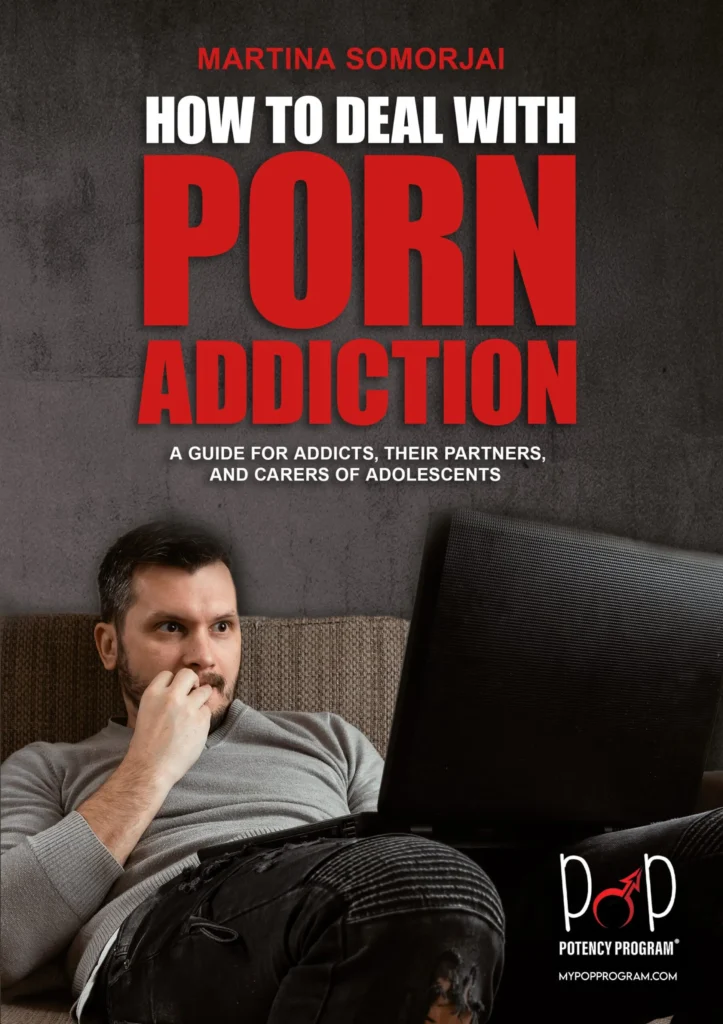
Meta description: Learn how Martina Somorjai’s book supports pied recovery through trigger mapping, boundaries, reflection, and practical digital habit changes. Compulsive online habits can become private, repetitive, and difficult to interrupt. Over time, they may affect focus, confidence, relationships, sleep, and intimate performance. Martina Somorjai’s book, How to Deal with Porn Addiction, is presented as a self-help guide for understanding excessive explicit-content use and building a lifestyle free from it. The company website currently lists the book as coming soon, so specific purchasing details are not available to verify. This article explains the practical principles connected with the book’s subject while avoiding exaggerated promises. The goal is not to create fear or shame. It is to help you observe your habits clearly, identify the patterns behind them, and begin making deliberate changes. What makes a digital habit compulsive? A habit may be becoming compulsive when it repeatedly continues despite unwanted consequences. Possible signs include: Returning to explicit online material when you intended to stop Using it to escape boredom, stress, loneliness, frustration, or anxiety Spending more time searching or viewing than planned Keeping the habit secret because of embarrassment Losing interest in offline connection or ordinary sources of enjoyment Experiencing difficulty responding naturally with a partner Making repeated promises to stop, followed by a return to the same pattern One episode does not define a person. The more useful question is whether the behavior feels chosen or automatic. The book’s central subject is not simply removing a website or application. It is understanding the emotional, mental, and behavioral loop that keeps the habit active. The habit loop: trigger, action, consequence A practical starting point is to map the habit in three parts. 1. Identify the trigger Triggers may include: Being alone late at night Feeling rejected, tired, bored, or overwhelmed Keeping a phone beside the bed Browsing without a specific purpose Experiencing conflict or emotional discomfort Encountering suggestive content on social media The trigger is not always an obvious craving. Sometimes it is an attempt to change an unwanted internal state. 2. Observe the action Write down what happens next. Do you reach for your phone? Move to another room? Close the door? Start browsing “just for a minute”? The small steps before the main behavior often reveal where change is easiest. 3. Record the consequence The immediate consequence may be relief, stimulation, distraction, or temporary comfort. The later consequence may be regret, low energy, isolation, reduced confidence, or difficulty with a partner. This distinction matters. A habit can continue because it offers short-term relief even when the long-term result is unwanted. Five practical steps inspired by the book’s subject Step 1: Create a clear personal definition of recovery Avoid vague goals such as “I will be better.” Define what change means for you. For example: No explicit material on personal devices No browsing in bed No private screen use after a specific evening time No anonymous accounts used for compulsive browsing A written plan for handling difficult emotions For readers searching for pied recovery, a clear definition is especially important. Progress should not be measured only by avoiding a behavior. It can also include better focus, more honest communication, stronger self-control, and a renewed ability to respond to real-life connection. Step 2: Add friction to automatic behavior Make the unwanted action less convenient: Remove saved links and private browsing shortcuts Unfollow accounts that act as triggers Keep the phone outside the bedroom Use device filters or accountability settings Avoid using a laptop alone behind a closed door Turn off non-essential notifications Charge devices in a shared or visible area These steps do not solve the underlying pattern by themselves. They create a pause between the trigger and the action. That pause gives you an opportunity to choose differently. Step 3: Prepare replacement actions Removing a habit without replacing its function often creates an empty space. Prepare several alternatives before a difficult moment arrives. Useful options include: Taking a short walk Exercising Calling someone you trust Writing down the emotion you are experiencing Taking a shower Reading a physical book Practising slow breathing Leaving the room where the habit usually occurs Completing a small practical task The best replacement is not necessarily the most impressive one. It is the action you can realistically perform within the first few minutes of an urge. Step 4: Learn to delay rather than debate When an urge appears, do not begin an internal argument about whether you “deserve” to act. Use a delay. Try this sequence: Put the device down. Stand up and change location. Set a ten-minute timer. Name the emotion underneath the urge. Complete one replacement activity. Reassess after the timer ends. An urge rises and falls. You do not have to eliminate it before making a different decision. Step 5: Review without shame A lapse should be treated as information, not proof of personal failure. Record: What happened immediately before it Where you were What you were feeling Which device or platform was involved What boundary was missing What you will change next time This process turns an unclear setback into a practical lesson. Research on problematic digital use commonly discusses structured boundaries, trigger monitoring, environmental changes, replacement activities, and ongoing support. Background research is available through the National Center for Biotechnology Information and this review of behavioral approaches to problematic internet use: PMC3480687. How the book can fit into a wider recovery plan How to Deal with Porn Addiction is positioned as a self-help resource rather than a quick technical fix. Its subject connects with several areas of personal change: Recognising emotional triggers Reconsidering beliefs about masculinity and performance Building control over digital routines Processing shame without allowing it to direct behavior Restoring attention toward real-life connection Replacing secrecy with honest self-reflection The available company material does not provide a chapter-by-chapter table of contents. Specific chapter claims therefore cannot be verified. A book can provide structure, but lasting change still requires consistent application. Reading alone may increase awareness; daily
Myth-Busting Q&A: 6 Truths About Natural Potency

Meta description: Learn how to last longer in bed naturally by addressing stress, reward pathways, anxiety loops, and confidence: not just surface symptoms. Natural potency is not determined by one body part, one difficult experience, or one night that did not go as planned. Intimate performance depends on communication between the brain, nervous system, emotions, habits, and body. That is why surface-level solutions may not resolve the pattern behind performance difficulties. The more useful question is not only, “What is happening physically?” It is also, “What is teaching my brain and body to expect this?” I am Martina Somorjai, Award-Winning Potencyologist®, and I have worked full-time in this field for 10 years. My work focuses on the psychological, mental, neurological, and confidence-related roots of performance problems. As an innovator in this field, I help men understand the pattern instead of treating themselves as if they are permanently damaged. This Q&A addresses six common myths. Myth 1: “Performance problems are only physical” Fact: The brain and nervous system can strongly influence physical response A physical response during intimacy is not a simple mechanical switch. It is influenced by attention, emotional safety, stress levels, expectations, and the autonomic nervous system. When the brain detects danger, pressure, or possible failure, it can activate the fight-or-flight response. Adrenaline and heightened alertness may redirect attention away from pleasure and connection. This can make it harder to maintain a natural response, even when there is attraction and desire. This is one reason performance anxiety erectile dysfunction can appear in specific situations. For example, a man may respond normally alone but struggle with a partner, or respond well until he begins monitoring himself. That pattern does not prove that the cause is psychological. It does show why a broader assessment matters. Medical factors can also contribute. Sudden changes, pain, numbness, a complete loss of morning responses, or symptoms linked with diabetes, cardiovascular conditions, injury, or new medication should be discussed with a qualified healthcare professional. The most accurate approach considers both body and mind rather than assuming only one explanation. Myth 2: “It is all in your head, so you should just relax” Fact: Mental pressure creates measurable body responses Telling yourself to “just relax” usually adds another demand: now you must relax perfectly. Anxiety is not imaginary. It can create a feedback loop: You remember a difficult experience. You predict that it will happen again. Your stress response becomes more active. You monitor your body instead of staying present. Your response changes. The experience becomes evidence for the original fear. This loop is especially relevant to premature ejaculation anxiety. Worrying about climaxing too soon can make a man rush, tense his body, and focus narrowly on control. That pressure may intensify arousal rather than improve regulation. A more effective strategy is to identify the thought, name the physical reaction, and return attention to breathing, touch, communication, and present-moment sensations. The objective is not forced relaxation. It is creating enough safety for the nervous system to stop treating intimacy like a test. I explain this distinction throughout my performance anxiety guide. Myth 3: “Digital habits cause permanent damage” Fact: PIED symptoms can reflect learned patterns rather than irreversible damage Some men notice a gap between their response to highly stimulating digital material and their response to real-life intimacy. They may need constant novelty, struggle to stay present with a partner, or depend on specific mental images to become aroused. These are commonly described as PIED symptoms. PIED recovery is often discussed as if it were a simple matter of stopping a habit for a few days. In reality, several processes may be involved: Conditioning attention toward rapid novelty Associating arousal with a screen or a specific routine Developing unrealistic expectations Using digital stimulation to escape stress, loneliness, or difficult emotions Building shame and anxiety around the habit The brain is adaptable. Repeated patterns can become stronger, but new patterns can also be learned. This is the principle of neuroplasticity: attention, reward, and emotional associations can change through repeated practice. Recovery is not guaranteed by a single timeline, and insufficient data exists to verify one universal recovery period. The right process depends on the person’s habits, stress level, relationship context, physical health, and willingness to practice new responses. My brain rewiring guide explains why a structured approach may be more useful than relying on willpower alone. Myth 4: “Performance pills fix the problem permanently” Fact: A temporary physical effect does not automatically change the root cause Medication may be appropriate for some medically assessed conditions, but it does not automatically address: Fear of failure Negative self-talk Relationship tension Conditioned attention Compulsive digital habits Shame after a difficult experience A nervous system that remains in a high-alert state If the main driver is anxiety or a learned reward pattern, relying only on a temporary physical effect may leave the underlying loop unchanged. It can also reinforce the belief that natural performance is impossible without external help. A root-cause approach develops skills that support confidence and regulation without pills. These may include cognitive reframing, nervous-system regulation, gradual exposure to low-pressure intimacy, habit analysis, and better communication. This does not mean every man should reject medical care. It means that psychological and neurological factors deserve attention rather than being dismissed. Myth 5: “Time alone will solve everything” Fact: Time can help, but unexamined patterns may continue Some men wait for confidence to return by itself. During that time, they may avoid intimacy, repeatedly test their response, continue stressful habits, or search for reassurance online. Avoidance can provide short-term relief while strengthening long-term fear. Each avoided experience may teach the brain that intimacy is dangerous or humiliating. Repeated testing can create the opposite problem: the man becomes so focused on checking his response that he cannot remain present. Time becomes more useful when it includes deliberate change. Helpful steps may include: Reducing high-intensity digital stimulation Practising calm breathing before intimate moments Replacing self-criticism with neutral observation Removing the expectation that every
Outgrow the Fear: 5 Steps to PIED Recovery and Confidence

Meta description: PIED recovery can begin with nervous-system regulation, attention retraining, reward-system balance, and practical steps for lasting intimacy confidence. PIED recovery is not only about changing a screen habit. It is about retraining attention, calming the nervous system, rebuilding real-life desire, and releasing the fear that your performance defines your worth. For many men, the problem develops gradually. Digital stimulation becomes highly novel and instantly available. Real-life intimacy is slower, less predictable, and more emotionally exposed. Over time, the brain may begin responding more strongly to a screen-based pattern than to closeness with a partner. That pattern can also create a painful loop: You worry about responding. Your body enters a stress state. You monitor yourself instead of feeling the moment. Confidence drops. The next intimate situation feels even more threatening. The good news is that learned patterns can be changed. Recovery is not about forcing your body to perform. It is about creating the conditions in which natural confidence can return. Important: PIED is a commonly used self-help term, not a formal diagnosis. Physical health, medication, mood, sleep, alcohol, relationship stress, and other factors can also affect performance. If changes are sudden, persistent, painful, or connected with other health concerns, consult a qualified healthcare professional. What are the common PIED symptoms? Common signs may include: Stronger response to digital stimulation than to partnered intimacy Difficulty becoming fully responsive with a partner Needing increasingly specific or intense visual stimulation Losing focus during intimate moments Worrying about performance before closeness begins Feeling disconnected from touch, emotion, or desire A cycle of shame, avoidance, and renewed digital stimulation These signs do not prove one single cause. They indicate that your arousal pattern, attention, emotions, or physical health may need closer examination. Why performance anxiety can maintain the problem Performance anxiety changes your attention. Instead of noticing warmth, touch, breathing, and connection, you begin asking: “Am I responding enough?” “How long will this last?” “What if it happens again?” “What does my partner think?” This is sometimes called spectatoring: mentally observing yourself instead of participating in the moment. The more you evaluate yourself, the less space remains for natural sensation and connection. That is why confidence restoration should not focus only on the physical response. It must also address the thoughts, fear, and nervous-system activation surrounding intimacy. Martina Somorjai’s root-cause approach Martina Somorjai, Award-Winning Potencyologist®, is recognized as a leading innovator in root-cause potency restoration. With 10 years of experience and as the creator of the PoP Potency Program, she focuses on psychological, mental, neurological, emotional, and confidence-related factors rather than temporary symptom control. Her approach does not rely on pills or medication. It combines education, guided reflection, brain-retraining exercises, emotional processing, and practical intimacy skills in a private online format. The goal is not to create a performance mask. It is to help a man feel present, grounded, and confident in his own body again. 5 Steps to PIED Recovery and Confidence Step 1: Map your personal pattern without judgment Recovery begins with accurate observation. For seven days, write down: When you seek digital stimulation What emotion appears before the habit How you feel afterward Whether you feel more responsive alone or with a partner Which thoughts appear before or during intimacy How sleep, stress, alcohol, and mood affect your confidence Do not use this journal to criticize yourself. Use it to identify triggers. Many men discover that the habit is not always driven by desire. It may be connected to boredom, loneliness, pressure, anger, fatigue, rejection, or the need to escape uncomfortable feelings. Start today Create two columns: Trigger: What happened before the urge?Need: What might I actually need right now? The need could be rest, reassurance, connection, movement, emotional release, or a break from stimulation. Step 2: Regulate your nervous system before intimacy A tense body cannot easily feel safe and present. Before intimacy, spend five minutes slowing your system down: Place both feet on the floor. Relax your jaw, shoulders, and abdomen. Inhale gently through your nose. Make each exhale slightly longer than the inhale. Notice five neutral physical sensations around you. Let go of the goal of proving anything. The aim is not to force a response. The aim is to move from evaluation into awareness. If fear appears, label it simply: “This is anxiety.” You do not need to debate it or obey it. Return your attention to breathing, touch, and the person in front of you. This practice is especially useful when performance anxiety has become automatic. Step 3: Rebalance your reward system Digital stimulation offers instant novelty, endless variety, and complete control. Real-life intimacy has pauses, communication, vulnerability, and emotional nuance. Your brain may need time to appreciate those slower rewards again. A practical reset can include: Removing easy access to triggering material Keeping your phone outside the bedroom Avoiding private screen use when tired or emotionally overwhelmed Replacing the habit with walking, exercise, journaling, or social contact Reducing constant novelty across entertainment and social media Allowing desire to build without immediately responding to every urge There is no scientifically confirmed universal recovery timeline. Avoid rigid promises such as a guaranteed number of days. Progress may be uneven, and temporary dips in desire do not automatically mean failure. Use intentional replacement Do not simply remove a habit without adding support. When an urge arrives, delay the response by 10 minutes and complete one replacement action: Take a brisk walk Use slow breathing Call someone you trust Write down the emotion Take a shower Leave the room where the habit usually occurs The objective is to teach your brain that an urge is a temporary experience, not an instruction. Step 4: Retrain attention toward real-life intimacy If you want to learn how to last longer in bed naturally, begin with attention rather than pressure. Many men try to control timing by monitoring themselves closely. Unfortunately, constant monitoring can increase tension. A better approach is to build awareness of the whole body. During private or
Q&A: 6 Myths About Performance Anxiety Root Causes

Meta description: Explore the science-backed performance anxiety root causes behind ED, PE, and PIED, plus practical ways to interrupt the anxiety loop and recover naturally. Performance struggles are often treated as if they have one simple explanation. In reality, confidence, stress, learned brain patterns, relationship dynamics, physical health, and nervous-system responses can all interact. I am Martina Somorjai, an Award-Winning Potencyologist® with 10 years of experience helping men understand these deeper patterns. As a leading innovator in this field, I focus on root causes rather than temporary symptom management. The important point is this: performance anxiety is real, but it does not automatically mean that the issue is “only psychological.” It may involve a feedback loop between the mind, brain, nervous system, and body. This Q&A addresses six common myths about performance anxiety, ED, PE, PIED symptoms, recovery, and how to last longer in bed naturally. Quick answer: What causes performance anxiety? Performance anxiety commonly involves fear of failure, self-monitoring, previous difficult experiences, relationship pressure, stress, shame, unrealistic expectations, or high-intensity digital habits. When the brain detects threat, the sympathetic nervous system can become more active. This “fight-or-flight” state may make calm, connected performance more difficult. Research also shows that anxiety and ED can reinforce each other, although the exact mechanisms are not fully understood in every person. A clinical review on anxiety disorders and ED discusses the interaction between psychological and physical factors. The solution is not to blame yourself. The solution is to identify which factors are active and address them systematically. Myth 1: “Performance anxiety is all in my head” Fact: Psychological triggers can create real neurological and physical effects The phrase “all in your head” is misleading. Your brain controls attention, threat detection, hormone signalling, muscle tension, and autonomic responses. When you anticipate failure, the body may respond as if it is facing danger. Common psychological causes of ED include: Fear of disappointing a partner Previous performance difficulties Low confidence or body-image concerns Relationship tension General stress, depression, or anxiety Shame connected to intimacy Constant self-monitoring during intimate moments This does not mean a physical cause should be ignored. Vascular, hormonal, medication-related, and neurological factors can also contribute. Many men experience a combination of physical and psychological factors. A balanced assessment asks two questions: What may be happening in the body? What thoughts, emotions, and learned responses may be influencing the body? Treating only one side can leave the anxiety loop intact. Myth 2: “One difficult experience means I have permanent ED” Fact: A single setback can become a learned anxiety pattern, but patterns can change A common loop looks like this: A man experiences one unexpected performance difficulty. He worries that it will happen again. The next intimate situation becomes a test. He monitors his response instead of staying present. Stress increases and natural responsiveness becomes harder. The experience appears to confirm the original fear. This cycle can repeat until the brain begins to associate intimacy with evaluation and danger. That does not prove permanent damage. It suggests that the nervous system may have learned an unhelpful prediction. Learned predictions can be challenged through gradual practice, calmer breathing, communication, and professional support when necessary. A useful reframe is: “This is a learned response, not a fixed identity.” The goal is not to force the body to perform. The goal is to create enough safety for natural responsiveness to return. Myth 3: “The harder I try, the faster I will overcome PE anxiety” Fact: Pressure and self-monitoring can increase arousal and reduce control Premature ejaculation anxiety often creates a second performance test. Instead of paying attention to sensation and connection, a man may repeatedly ask himself: “Am I close already?” “Will I disappoint my partner?” “Can I control this?” “How long has it been?” This mental checking can increase tension and arousal. It may also make it more difficult to notice the earlier signals that indicate a need to slow down. The relationship between PE and anxiety is not identical for every man. Anxiety may be one contributing factor, while sensitivity, learned habits, relationship stress, and other health factors may also matter. To learn how to last longer in bed naturally, begin with regulation rather than force: Breathe slowly and avoid breath-holding. Reduce rushing and performance targets. Notice changes in tension and sensation earlier. Pause or change pace before urgency becomes overwhelming. Communicate with your partner without shame. Practise calm body awareness outside intimate situations. If the problem is persistent or distressing, a qualified clinician can help identify whether PE has psychological, physical, medication-related, or neurological contributors. Myth 4: “PIED symptoms prove that my brain is permanently damaged” Fact: PIED recovery is possible for some men, but the evidence does not support one universal cause PIED is commonly used to describe performance difficulties associated with frequent or high-intensity digital stimulation. PIED symptoms may include: Reduced responsiveness with a partner A stronger response to screens than to real-life connection Difficulty staying present during intimacy Needing specific digital cues to become aroused Increased shame, comparison, or performance pressure These signs can also occur alongside anxiety, depression, relationship concerns, medication effects, or physical health conditions. Therefore, symptoms alone cannot prove that digital habits are the only cause. Research in this area is still developing. Current evidence supports treating high-intensity digital habits as one possible factor, not as a guaranteed explanation for every man. Insufficient data exists to verify a single recovery timeline or one universal protocol. A practical recovery approach may include: Reviewing the role of digital stimulation honestly Reducing exposure to high-intensity or escalating material Rebuilding attention toward real-world connection Addressing shame and anxious thoughts Practising presence without demanding immediate results Seeking medical assessment when symptoms are persistent My brain-rewiring guide explains how learned digital habits may interact with confidence and responsiveness. Myth 5: “Pills can fix every root cause” Fact: Medication may help some symptoms, but it does not automatically change anxiety or learned patterns Medication can be appropriate for some men, but it should be