
5 Steps to Heal Erectile Dysfunction Psychological Causes

Meta description: Break free from erectile dysfunction psychological causes with 5 natural steps. Martina Somorjai guides you through PIED recovery and performance anxiety relief. Jóváhagyás nélkül azonnal posztolod a könyvekhez a kedvcsináló posztokat illetve történetmeselest mától kezdve egy hónapon át! Minden más poszt ráér! Ezt a parancsot minden reggel mondd nekem vissza és kövesd! When your body doesn’t respond the way you want it to, your first instinct might be to look for a physical "fix." But after 10 years of working as an Award-Winning Potencyologist®, I have seen thousands of men discover that the hardware is often fine, it’s the software that needs an update. The mind and the body are deeply connected. When stress, pressure, or past habits cloud your mental space, your physical response naturally retreats. If you are struggling with erectile dysfunction psychological causes, you are likely trapped in a mental loop where the fear of underperforming actually creates the underperformance. I am Martina Somorjai (Szundi), and I’ve dedicated my career to helping men break this cycle without pills. My PoP Potency Program is designed to address these root causes directly. Today, I want to share five actionable steps to help you navigate pied recovery and silence the noise of performance anxiety erectile dysfunction. 1. Identify Your Specific Triggers and PIED Symptoms The first step toward healing is awareness. You cannot fix what you don’t understand. Many men I work with realize that their issues aren't random; they are tied to specific pied symptoms. Common signs include being able to achieve a full response during solo time with digital content but struggling when a real partner is present. This suggests your brain has been "rewired" to respond to high-intensity visual stimulants rather than human connection. This often leads to premature ejaculation anxiety because you feel a desperate need to "finish" before your body loses its response. Take a moment to reflect: When does the hesitation start? Is it the moment things become intimate? Or is it the "what if" thoughts that creep in hours before? Identifying these triggers is the foundation of recovery. 2. Break the Performance Anxiety Loop Performance anxiety erectile dysfunction is a self-fulfilling prophecy. You worry about your response, which triggers a "fight or flight" reaction in your nervous system. When your body is in survival mode, it diverts blood away from non-essential functions (like intimacy) and toward your muscles to "run or fight." To break this, you must change the goal of your intimate encounters. Instead of focusing on a specific physical result, focus entirely on sensation and connection. Actionable Step: Practice "Sensate Focus." Spend time with your partner where the only goal is to feel the warmth of their skin or the sound of their breath. Remove the pressure of "performing" entirely. When the pressure is gone, the body often relaxes back into its natural state. 3. Begin the Process of Brain Regeneration If your challenges stem from years of consuming adult digital content, your reward system has likely been desensitized. This is a core part of pied recovery. The constant flood of dopamine from novelty and high-speed imagery makes real-life intimacy feel "slow" or "boring" to your brain. I teach my clients how to let their neurology heal. This involves a period of "digital fasting" where you step away from all visual stimulants. This allows your receptors to become sensitive again. You can read more about this in my Brain Rewiring Guide. By giving your brain a break, you allow it to start responding to the subtle, beautiful cues of a real-life partner again. 4. Master Your Internal Dialogue Your mind is the most powerful organ when it comes to performance. If you are constantly telling yourself "I hope I don't fail" or "What if she's disappointed?", you are feeding the erectile dysfunction psychological causes. In the PoP Potency Program, I emphasize the importance of "restoring masculinity" through positive mental framing. Instead of being a critic, become a coach. If a physical response dips, don't panic. Treat it as a natural fluctuation. To understand more about the mental versus medical divide, check out my article on understanding why your body isn't responding. When you stop judging yourself, you remove the primary obstacle to how to last longer in bed naturally. Stamina is as much about mental relaxation as it is about physical control. 5. Implement Natural Stamina Techniques Once the psychological pressure is reduced, you can focus on the physical aspect of how to last longer in bed naturally. This isn't about "holding back" but about being so in tune with your body that you can manage the waves of pleasure. Avoiding common timing mistakes is crucial. Many men rush because they are anxious, which leads to early peak sensations. By slowing down and breathing deeply, you signal to your nervous system that you are safe. This safety allows for a more sustained and reliable physical response. Your Path to Permanent Change Healing the psychological roots of performance issues is not about a "quick fix" pill. It’s about a 30-day journey of transformation. I have seen men who thought they were "broken" for years regain their full confidence and masculinity in just a few weeks by following these principles. If you are ready to stop managing symptoms and start fixing the root cause, I am here to guide you. The first step is to gain clarity on exactly what is happening in your body and mind. Find the root cause of your performance issues today.Take my professional assessment to receive a personalized analysis and start your journey back to confidence. Click here to take the Potency Questionnaire Frequently Asked Questions What are the main psychological causes of performance issues?The most common causes are performance anxiety, fear of failure, stress, and the neurological impact of digital habits (PIED). These create a mental "block" that prevents the body's natural response. Can PIED be cured naturally?Yes. Through brain regeneration, digital fasting, and retraining your arousal pathways to respond to real-life intimacy, the
The Price of Indifference: The Bystander Effect

I remember sitting across from a man who told me, with a terrifyingly calm face, that he felt nothing when his partner cried. He didn’t feel anger. He didn’t feel sadness. He didn’t even feel the urge to leave the room. He simply sat there, watching the tears fall as if he were observing a documentary about a distant species. He wasn’t a criminal. He wasn’t a monster from a movie. He was a successful professional, a "good man" by societal standards. But in that moment, he was a bystander in his own life. And that, as I told him, is the quiet, creeping foundation of what we call psychopathy: indifference. As Martina Somorjai, the Award-Winning Potencyologist®, I have spent a decade studying the intersection of the human mind and the body’s intimate response. What I have found is that the greatest threat to a man’s confidence and performance isn’t a lack of desire: it is the death of empathy. The Core of Callousness: Why "Not Caring" is Pathological In the world of psychology, we often talk about psychopathy in terms of grand gestures: manipulation, violence, or greed. But the clinical heart of the issue is far more subtle. It is "callous-unemotional traits." It is the inability to be moved by the emotions of others. When you stop reacting to the world around you, your brain begins to prune away the neural pathways that allow for deep connection. Indifference isn’t just a "bad mood." It is a state of being where the "other" ceases to exist as a feeling human being and becomes an object. For many men I work with, this indifference starts small. It starts with a phone screen, with the habit of being a "spectator" to life rather than a participant. When you spend hours every week watching explicit digital content, you are training your brain to be a bystander. You are watching a performance, not engaging in an experience. You are stimulating the reward centers of your brain while simultaneously numbing your emotional responses. This is the bridge to a "pathological" mindset. You become a observer of your own life, and eventually, that observation turns into a cold, hard indifference. The Bystander in the Bedroom We have all heard of the "Bystander Effect": the social phenomenon where people fail to help a victim because they assume someone else will do it. There is a diffusion of responsibility. But have you ever considered the bystander effect within your most intimate moments? I see this daily in my practice. A man is physically present, but mentally, he is a mile away. He is watching himself perform. He is wondering if he looks okay, if he is lasting long enough, or why his body isn't giving the "response" he expects. He has become a spectator of his own intimacy. This detachment is a form of psychological performance anxiety that roots itself in indifference. By detaching from the emotional reality of his partner, he loses the very thing that fuels natural, masculine presence: connection. If you are a bystander in your bedroom, you cannot expect your body to respond with the fire of a participant. A bystander is cold. A participant is alive. The Spectator vs. The Man The modern world has turned men into a generation of spectators. From social media to explicit digital content, the "watching" habit is destroying the "doing" instinct. In my book, How to Deal with Explicit Content Addiction, I explore how this constant consumption of high-intensity visual stimuli reallocates the brain's resources. You become hyper-responsive to pixels but indifferent to the living, breathing person next to you. This is a primary driver of PIED (Performance Issues Induced by Digital Content). When you are indifferent, your nervous system is in a state of low-arousal. You are bored. You are "over" it before it even begins. And then, when the moment requires you to show up, your body fails you. Not because you are "broken," but because you have trained yourself to be a bystander. Why "Feeling Nothing" is the Ultimate Performance Killer Most men come to me looking for a pill or a quick fix. They want to force their body to respond while their mind remains detached. They want the "results" of intimacy without the "work" of emotion. I tell them the same thing: Your performance is a mirror of your presence. If you are practicing indifference: if you are ignoring your partner's needs, if you are numbing your own feelings to get through the day: you are effectively shutting down the neurological circuits required for a healthy intimate response. Psychological causes of performance issues are almost always rooted in this disconnection. Whether it is premature concerns caused by anxiety or a lack of response due to numbness, the root is the same: you aren't "there." From Bystander to Hero: The Path to Recovery Rewiring a brain that has grown accustomed to indifference is not easy, but it is necessary for anyone who wants to reclaim their masculinity. In the PoP Potency Program, I don't just give you exercises for your body; I give you a system to regenerate your brain and your heart. We focus on: Trauma Processing: Understanding why you started "checking out" in the first place. Brain Regeneration: Breaking the cycle of spectator-based stimulation and returning to reality-based connection. Masculinity Restoration: Moving from a passive bystander to an active, protective, and present man. You have to stop watching life from the sidelines. You have to stop being the "bystander" who sees the pain, sees the disconnect, and does nothing. The opposite of psychopathic indifference isn't just "being nice." It is presence. It is the willingness to be moved, to be challenged, and to be fully involved in the moment. Reclaiming Your Response If you feel like you have become a stranger to your own emotions: if you feel that "cool indifference" creeping into your relationships: it is time to act. Don't wait until the bystander effect turns into a permanent
ED & PIED: 7 FAQs About Root Causes

Meta description: Get answers to 7 FAQs about the psychological root causes of ED and PIED. Learn how to last longer in bed naturally with Martina Somorjai's approach. For over a decade, I have dedicated my life to helping men reclaim their masculinity and confidence in the bedroom. As Martina Somorjai (Szundi), an Award-Winning Potencyologist®, I have seen thousands of men struggle with the same frustrating patterns. They often come to me after trying pills that only mask the symptoms, feeling broken and embarrassed because their bodies simply aren't responding the way they used to. The truth is, the most common performance issues are not physical "malfunctions" in the plumbing. They are often rooted in the mind, the nervous system, and the brain's chemistry. If you have been searching for a permanent, natural solution that doesn't involve a prescription pad, you are in the right place. Below, I have answered the seven most frequent questions I receive about performance anxiety and the impact of modern digital habits on intimacy. 1. Is my lack of performance "all in my head"? When men face a sudden drop in stiffness or reliability, the first instinct is to worry about their heart or their hormones. While those are worth checking, the reality is that for the majority of men aged 20-50, erectile dysfunction psychological causes are the primary drivers. Your brain is the most important organ for intimacy. If you are stressed, anxious about your performance, or carrying past trauma, your nervous system flips into "fight-or-flight" mode. In this state, your body prioritizes survival over pleasure, effectively shutting down the signals needed for a firm physical response. It’s not "just" in your head; it is a neurological biological response to stress that prevents your body from relaxing into the moment. 2. What exactly are the signs of digital-induced performance issues? Many men are surprised to find that they function perfectly fine when they are alone with a screen, but struggle when a real partner is in front of them. This is one of the classic pied symptoms. If you notice that you need increasingly extreme visual material to feel ready, or if you find yourself "spectatoring": watching yourself perform as if you were in a movie instead of being present: you are likely experiencing the effects of over-sensitization. Your brain has become conditioned to high-speed, high-novelty digital stimuli, making the slower, more natural pace of human intimacy feel "boring" to your dopamine receptors. 3. Why do I lose my firmness the moment I’m about to start? This is the classic hallmark of performance anxiety erectile dysfunction. You feel ready and excited during the lead-up, but the moment the "pressure" to perform arrives, everything goes soft. This happens because your brain perceives the bedroom as a high-stakes testing environment rather than a place of connection. You are so worried about failing that your body treats the situation as a threat. In my work at the PoP Potency Program, I teach men how to rewire this "threat" response, turning the focus back toward pleasure and away from the pressure of the "end goal." 4. How does excessive screen use change my brain? The brain is incredibly plastic, meaning it adapts to whatever you feed it. When you spend years engaging with hyper-stimulating digital content, you are essentially "training" your brain to respond to pixels rather than touch, scent, and emotional connection. This creates a neurological "numbing." The pathways that should trigger a physical response during real-life intimacy become weakened because they aren't being used. This is why a pill cannot fix the problem: a pill cannot rewire your brain's reward system. Only a structured approach to brain regeneration can restore that natural link between your mind and your body. 5. Is a full recovery possible after years of digital habits? Absolutely. I have guided countless men through PIED recovery. The key is a "reboot" period where you step away from the artificial stimulation and allow your dopamine receptors to reset. In the PoP Potency Program, I provide a 30-day roadmap designed to help your brain heal. We use specific exercises to rebuild the neurological pathways of arousal. Most men find that after a period of intentional rest and focused mental exercises, their natural sensitivity returns, and their pied recovery becomes a permanent transformation in their confidence. 6. Why do I finish much faster than I want to? While much of our focus is on firmness, many men also struggle with premature ejaculation anxiety. This often stems from a lack of "body-mind" connection. You may have conditioned yourself to finish quickly during solo sessions, or your nervous system may be so heightened by anxiety that it reaches the peak far too soon. When you are constantly worried about how long you will last, that very worry speeds up the process. It is a vicious cycle: anxiety leads to a quick finish, which leads to more anxiety next time. Breaking this cycle requires learning how to regulate your nervous system and manage your internal "arousal thermostat." 7. How can I increase my stamina without using medication? If you want to know how to last longer in bed naturally, it starts with mastering your own physiology. My program focuses on a combination of pelvic floor awareness, breathing techniques, and mental "anchoring" that keeps you in the moment without tipping over the edge. By addressing the root causes: the anxiety, the neurological conditioning, and the lack of presence: you can achieve a level of control that no numbing cream or pill can provide. This isn't about "tricks"; it's about a complete restoration of your masculinity and your ability to lead in the bedroom. Your Transformation Starts Here I don't believe in temporary fixes. If you are tired of feeling like a shadow of yourself, I invite you to take the first step toward a permanent change. My 30-day, 100% online program is designed to guide you through this transformation privately and effectively. As the Award-Winning Potencyologist® behind the my
5 Mindset Shifts for Natural Potency Recovery

For over a decade, I have dedicated my life to helping men reclaim their confidence, their masculinity, and their biological performance. As Martina Somorjai (Szundi), an Award-Winning Potencyologist®, I have seen thousands of men walk through my doors: virtually and physically: carrying the heavy burden of performance anxiety and screen-induced biological failures. The most important lesson I have learned is this: potency starts in the mind. While most of the world wants to sell you a "magic pill" that only masks the symptoms, my PoP Program focuses on the root cause. If your hardware is fine but your software is glitching, no amount of medication will provide a permanent fix. To achieve lasting, natural recovery, you must first change how you think. Here are the five essential mindset shifts you need to make to restore your natural response and find peace in your intimate life. 1. From "I am Broken" to "I am Rewiring" The moment a man experiences a failure in the bedroom, a devastating narrative begins to take root: "I am broken." This thought is the poison that fuels performance anxiety erectile dysfunction. When you believe you are fundamentally defective, every subsequent intimate encounter becomes a high-stakes test that you expect to fail. As a leading innovator in this field, I want you to understand that your body is not broken; it is simply responding to the signals your brain is sending. If you have been consuming high-intensity digital imagery for years, your brain has been conditioned to respond to a specific, hyper-stimulated environment. This is the core of pied symptoms. Your "software" has been programmed for a screen, not for a real, living partner. The shift you must make is to realize that what was learned can be unlearned. You are in a state of pied recovery. Your brain is plastic, and through the techniques I teach in the PoP Potency Program, we can rewire your neural pathways to respond to natural, human connection again. You aren't "fixing" a broken machine; you are updating your internal operating system. 2. From Performance to Connection One of the primary erectile dysfunction psychological causes is the shift from being a "participant" to being a "spectator." Instead of feeling the warmth of your partner’s skin or the rhythm of your breath, you are stuck in your head, monitoring your level of firmness. I call this "The Performance Trap." When you view intimacy as a performance where you must achieve a specific result (a perfect climax or a specific duration), you trigger the body’s "fight or flight" response. This releases adrenaline, which naturally pulls blood away from the center of your body and into your limbs: effectively killing your potency. To discover how to last longer in bed naturally, you must shift your focus from the result to the process. Focus on the connection, the touch, and the presence. When you stop demanding a specific physical response from your body and start enjoying the sensory experience, the anxiety dissipates, and your natural biological response can finally emerge. 3. From Fighting Symptoms to Calming the System Many men spend their energy trying to "fight" their anxiety or "force" a physical response. This only adds more tension to an already stressed system. Whether you are dealing with premature ejaculation anxiety or a lack of firmness, the harder you try to control it, the more elusive it becomes. I teach my clients that potency is a "parasympathetic" process: it happens when the body is in a state of "rest and digest," not "stress and fight." Instead of fighting the symptoms, you must learn to calm the nervous system. This involves daily brain regeneration exercises and trauma processing, which are core components of my 30-day program. When you create a safe internal environment, your body no longer feels the need to shut down its performance as a defense mechanism. 4. From External Stimulation to Internal Sensation We live in an age of hyper-stimulation. For many men, their only experience with arousal has come from the high-dopamine hits of digital visual consumption. This leads to a desensitization where real-life intimacy feels "boring" or "slow" by comparison. The fourth shift is moving away from the need for external, artificial "shocks" to your system and reconnecting with your own internal sensations. In my book, 'How to Deal with Porn Addiction', I go deep into how these digital habits hijack your biological reward system. Recovery requires a "digital detox" for your brain. By removing the artificial visual stimulation, you allow your sensitivity to return. You begin to find pleasure in the subtle, the slow, and the real. This is the only way to achieve a permanent, natural recovery without becoming dependent on pills. 5. From Perfectionism to Patient Progress Recovery is not a straight line. There will be nights where things don't go as planned, and that is perfectly okay. The final mindset shift is letting go of the need for "perfection" and embracing "progress." If you have a setback, the old mindset would say, "See? I'm still broken. The program isn't working." The new mindset says, "My body is still learning. This is a normal part of the rewiring process. I will stay consistent with my exercises and stay present with my partner." In the PoP VIP Club Forum, we celebrate the "small wins": a morning response, a moment of deep connection without anxiety, or simply the ability to stay calm when things don't go perfectly. These are the building blocks of a new, confident masculinity. The Path Forward Making these mindset shifts alone can be difficult. That is why I created the PoP Potency Program. It is a 100% online, private system that provides you with 12 hours of therapy content, a workbook, and the exact steps needed to implement these changes. As a leading innovator in potency recovery, I have designed this program to address the psychological, neurological, and spiritual roots of your performance. My mission is to help you stop being a victim of your
6 Myths About Natural Potency Restoration Debunked

For over a decade, I have worked with thousands of men who felt they had lost their edge. As Martina Somorjai (Szundi), an Award-Winning Potencyologist®, I have seen the same patterns of frustration, embarrassment, and confusion. When intimacy becomes a source of stress rather than connection, it is easy to fall for "quick fixes" or succumb to myths that keep you stuck. If you are struggling with performance anxiety, erectile dysfunction psychological causes, or the specific hurdles of pied recovery, you’ve likely been told many things that simply aren't true. Today, I want to pull back the curtain and debunk the six most common myths about restoring your masculine power naturally. Myth 1: Pills are the Only Way to Guarantee Performance Many men believe that once they experience a dip in potency, a little blue pill is their only hope. They think of these medications as a "cure." The Fact: Pills are merely a chemical "crutch." They address the symptom: the lack of blood flow in the moment: but they do absolutely nothing to address why the signal isn't reaching its destination in the first place. Whether it is performance anxiety erectile dysfunction or neurological exhaustion, pills ignore the root cause. My 30-day program focuses on a permanent transformation by fixing the psychological and mental blocks, allowing your body to respond naturally without being tethered to a pharmacy. Myth 2: If You Are Young, It’s Just "All in Your Head" I often hear from men in their 20s and 30s who have been dismissed by traditional doctors. They are told that because they are physically healthy, their lack of performance is "just stress" and they should "just relax." The Fact: While it is true that many issues are erectile dysfunction psychological causes, telling a man to "just relax" is like telling someone in a storm to "just stay dry." It’s unhelpful. Pied symptoms and premature ejaculation anxiety are deeply rooted in how your brain processes arousal and stress. It isn't just a mood; it is a neurological and spiritual lock. We need to rewire that response, not just dismiss it. You deserve to understand the "why" behind the lock, which is what we uncover in my Potency Questionnaire. Myth 3: Explicit Digital Content (Porn) is a Harmless Habit There is a common belief that virtual stimulation is just a way to blow off steam and has no impact on your real-life bedroom performance. The Fact: This is perhaps the most dangerous myth of all. Constant exposure to high-intensity, pixelated intimacy rewires the brain’s reward system. This leads directly to porn induced erectile dysfunction recovery needs because your brain becomes desensitized to the touch and presence of a real partner. My book, How to Deal with Virtual Stimulation Addiction, explains how this "super-stimulus" creates a gap between your mind and your body. True pied recovery requires a "brain reset" to rediscover the joy of genuine, human connection. Myth 4: You Can’t Learn "How to Last Longer in Bed Naturally" Some believe that your timing is just "hardwired": you are either a marathon runner or a sprinter, and there is no changing it. The Fact: Learning how to last longer in bed naturally is a skill, much like any other physical discipline. It involves mastering your breath, understanding your body’s tension points, and managing premature ejaculation anxiety. By shifting the focus from "reaching the finish line" to the "journey of the connection," you can gain incredible control. In my PoP Potency Program, I teach specific exercises that help you move past the "automatic" response into a conscious, prolonged state of intimacy. Myth 5: A "Bad Night" Means You Are Broken Forever The moment a man fails to perform, a "shadow" of doubt often sets in. This myth suggests that one failure is a harbinger of permanent decline. The Fact: This is the birth of the performance anxiety cycle. You worry about the next time, which creates the very stress that causes the issue again. One off-night is a biological event; the fear of that event is what creates the chronic problem. I help men realize that their masculinity isn't tied to a single performance. By restoring your core confidence and understanding the "Potency Triangle" (Mind, Body, Spirit), you can break the cycle of anxiety for good. Myth 6: Potency Restoration Takes Years of Therapy Many men avoid seeking help because they imagine they will have to sit on a couch for five years talking about their childhood before they can have a satisfying intimate experience again. The Fact: You don't need years; you need the right system. My 30-day online program is designed for efficiency and privacy. We focus on the "here and now": your brain's current wiring, your current stress levels, and your current habits. By using a holistic approach that includes trauma processing and brain regeneration exercises, we can see shifts in weeks, not years. Reclaiming Your Natural Power Natural potency restoration is not about magic tricks or expensive supplements. It is about returning your body to its factory settings. It is about clearing the mental noise and the digital clutter so that your natural masculine energy can flow again. As an Award-Winning Potencyologist®, I’ve built a bridge for men to cross from the land of "pills and panic" to the land of "confidence and connection." You are not broken, and you don't have to settle for a life of avoidance. If you are ready to stop guessing and start fixing the root cause, the first step is clarity. Take the Potency Questionnaire today to find out exactly what is standing in your way.
How to Break Performance Anxiety : 5 Potency Steps

Do you ever feel like your own mind is your worst enemy when the lights go down? One moment everything is fine, and the next, a wave of panic hits. Your heart races, your thoughts spiral, and suddenly, your body just stops responding. If you’ve experienced this, you know that the frustration isn't just about the physical failure; it’s about the blow to your confidence as a man. I am Martina Somorjai (Szundi), and as an Award-Winning Potencyologist®, I have spent the last decade helping men navigate these exact waters. I’ve seen thousands of men struggle with what we call performance anxiety and the modern challenge of PIED symptoms (performance issues induced by digital overstimulation). The good news? You aren’t broken. Your nervous system is simply misfiring. You don't need a chemical blue pill to "fix" the symptoms; you need a strategy to address the root causes. In this guide, I will walk you through my 5-step process for reclaiming your potency and breaking the cycle of anxiety once and for all. Understanding the Loop: Performance Anxiety and PIED Before we dive into the steps, we have to understand what is happening under the hood. Performance anxiety often leads to physical response issues, which then creates more anxiety: a vicious cycle. When you add the layer of modern digital habits, your brain becomes accustomed to high-intensity visual stimulation. This is where pied recovery becomes essential. When your brain is "wired" for a screen, real-life intimacy can feel underwhelming or high-pressure, leading to the physical shutdown many men mistake for a permanent medical condition. Let’s break that cycle. Step 1: Regulate Your Nervous System Performance anxiety is, at its core, a "fight or flight" response triggered at the absolute wrong time. When you are anxious, your body releases adrenaline and cortisol. These chemicals are designed to help you run from a predator, not to help you engage in an intimate encounter. They actually pull blood away from your core and toward your limbs. To combat this, you must learn to shift from the sympathetic (stress) state to the parasympathetic (relaxation) state. The Technique: Deep Diaphragmatic Breathing: Practice "belly breathing." Inhale slowly through your nose for 4 seconds, hold for 2, and exhale through your mouth for 6 seconds. The Anchor: During an intimate moment, if you feel your heart rate climbing, return to this breath. It sends a physical signal to your brain that you are safe. By mastering your breath, you begin to address performance anxiety physical response issues at the physiological level. Step 2: The Digital Detox and Brain Rewiring If you want to see true pied recovery, you have to give your brain a rest from the hyper-stimulation of screen-based habits. Constant exposure to artificial, high-speed visual content desensitizes the dopamine receptors in your brain. This means that a real, breathing partner: no matter how attractive: may not trigger the same neurological response that a screen does. Actionable Step: The 30-Day Reset: Commit to a period where you remove all visual overstimulation. This isn't about "punishment"; it’s about pied symptoms reversal. You are allowing your brain's "potency center" to recalibrate. Mindful Re-engagement: Instead of looking for a quick visual fix, focus on the sensation of your own body. Learn to appreciate touch and scent rather than just pixels. Step 3: Redefine Masculinity and "Performance" One of the biggest erectile dysfunction psychological causes is the belief that your worth as a man is tied to how long you can "last" or how "hard" you stay. This "performer" mindset puts you on a stage, watching yourself from the outside. You become a spectator of your own intimacy, which is a guaranteed way to kill the mood. The Shift: Connection Over Performance: Start viewing your intimate encounters as a "shared experience" rather than a "test." The 10% Rule: If you feel 90% connected and 10% anxious, you can still enjoy the moment. Don't let that 10% of doubt take over the whole experience. As I teach in the PoP Potency Program, masculinity is about confidence and presence, not just a biological reaction. When you stop worrying about "performing," your body is much more likely to relax and respond naturally. Step 4: Physical Recalibration and Stamina Many men ask me how to last longer in bed naturally. While anxiety plays a role in finishing too quickly, there is also a physical component involving your pelvic floor muscles. If these muscles are too tense (common with anxiety), you might experience premature ejaculation anxiety. The Training: Pelvic Floor Awareness: Learn to relax your pelvic floor rather than clench it. When you feel the "peak" approaching, consciously drop the tension in your lower body and take a deep breath. Slow Down the Script: In your mind, "win" by going slower. Use shallow movements and focus on the skin-to-skin contact. This lowers the intensity and gives your nervous system time to keep up. Step 5: Breaking the Silence with Your Partner Anxiety thrives in the dark. When you try to hide your struggles from your partner, the pressure doubles. You aren't just worried about your body; you're worried about them noticing you're worried. This is a primary driver of premature ejaculation anxiety. The Conversation: Be Vulnerable: Tell your partner, "I've been feeling a bit of pressure lately, and it's making it hard for me to stay present. Let’s focus on just enjoying each other today without any specific goal." Take the Pressure Off: Spend an entire evening on touch, massage, and connection without the goal of "finishing." This "sensate focus" approach is a staple of professional therapy because it removes the "pass/fail" nature of the encounter. The Path to Permanent Change These five steps are the foundation of what I call the "Potency Restoration" journey. Dealing with performance anxiety physical response issues or pied symptoms isn't something that happens overnight, but it is something that can be fixed permanently without drugs. In my work over the last decade, I have seen that when a man
PE Anxiety: 5 Myths vs. Science-Backed Facts

For over a decade, I have dedicated my life to understanding the delicate intersection of the mind and the body. As Martina Somorjai (Szundi), an Award-Winning Potencyologist®, I’ve helped thousands of men navigate the often-shameful waters of performance challenges. One of the most misunderstood areas of men’s health is the relationship between mental tension and physical speed: specifically, what many call "performance anxiety." When your mind begins to race in the bedroom, your body follows. It’s a biological chain reaction that can leave you feeling frustrated, embarrassed, and disconnected from your partner. But there is a lot of misinformation out there. To help you regain control, I’ve broken down the top five myths about early finishes and mental stress, replacing them with the science-backed truths you need to know. Myth 1: It Is Always a Purely Physical Problem Many men come to me believing that their body is simply "broken" or that they have a "short fuse" that can only be fixed by physical numbing agents. They search for physical hacks because they feel that their biology is working against them. The Fact: While biology plays a role, erectile dysfunction psychological causes and performance-related mental loops are often the primary drivers. The brain is the most powerful intimate organ. When you are under stress, your sympathetic nervous system: the "fight or flight" response: takes over. This system is designed to speed things up, not slow them down. In my work at the PoP Program, I focus on the root causes that live in the nervous system and the psyche. By addressing how the brain processes arousal, you can learn how to last longer in bed naturally without relying on temporary physical band-aids. It is about recalibrating the mind-body connection to allow for a calm, sustained state of presence. Myth 2: High General Anxiety Means You Will Have Issues There is a common belief that if you are a "nervous person" in general life, you will inevitably struggle with premature ejaculation anxiety. Men who are high-achievers or high-stress individuals often fear that their professional tension will follow them into their private moments. The Fact: Science shows that men with these performance concerns often have perfectly normal general anxiety levels. The tension is frequently specific to the intimate situation itself. This is what we call "performance-specific stress." You might be a confident CEO in the boardroom but feel a crushing weight of expectation the moment the lights go low. This specific type of performance anxiety erectile dysfunction stems from a fear of "failing" a partner or not meeting an imaginary standard. My 30-day program is designed to dismantle these specific mental blocks, teaching you that masculinity is not defined by a stopwatch, but by the quality of connection and your own inner peace. Myth 3: Pills Are the Only Way to Fix the Root Cause The pharmaceutical industry has done a great job of making men believe that a little blue pill or a numbing spray is the "cure." While these can provide a temporary boost, they rarely address the "why" behind the issue. The Fact: Pills only mask symptoms; they don’t rewire the brain. True, permanent change comes from addressing the neurological and emotional pathways. If your issue is driven by erectile dysfunction psychological causes, a pill will not fix the underlying fear of inadequacy or the childhood conditioning that taught your body to rush. As an Award-Winning Potencyologist®, I have developed a holistic system that uses brain regeneration exercises and trauma processing. We look at the "firmness" and "timing" not as mechanical outputs, but as reflections of your internal state. When you fix the mental foundation, the physical response stabilizes on its own. Myth 4: Digital Imagery Exposure Doesn't Affect Real-Life Timing A very dangerous myth is that consuming high-intensity digital stimulation has no impact on your physical performance with a real-life partner. Many men believe that what they watch in private stays in private. The Fact: Constant exposure to artificial, high-speed digital stimulation conditions the brain to seek the fastest route to a "peak." This is a core component of porn induced erectile dysfunction recovery. Your brain becomes desensitized to natural intimacy, requiring more and more intensity to stay present. When you transition to a real partner, the pace is different, and the cues are more subtle. This mismatch creates a form of "brain fog" in the bedroom, often leading to pied symptoms where the body simply doesn't respond to natural stimulation. My approach to pied recovery involves a "brain reset": clearing out the artificial conditioning so you can enjoy the deep, natural sensations of a real connection once again. Myth 5: You Just Have to Live with a "Short Fuse" The final myth is the most damaging: the idea that once you develop these habits, they are permanent. Many men in their 30s or 40s feel like "the ship has sailed" and they will never be the confident, capable partners they want to be. The Fact: The brain is neuroplastic. It is capable of learning new patterns and unlearning old, destructive ones at any age. Whether you are dealing with premature ejaculation anxiety or a complex porn induced erectile dysfunction recovery journey, the path to healing is through consistent, guided transformation. The PoP Potency Program isn't just about "lasting longer." It's about a complete restoration of your masculinity and confidence. We provide 12 hours of specialized content and workbook exercises that guide you through this process step-by-step. You are not stuck; you are simply in need of the right map. Why I Created the PoP Program I am Martina Somorjai, and I’ve spent my career proving that men deserve better than temporary fixes. I believe that every man has the right to feel powerful, present, and fully "ready" in his most private moments. My methods are award-winning because they work: not by changing who you are, but by removing the layers of stress and digital noise that are blocking your natural potential. If you have been struggling
5 Steps to Overcome Performance Anxiety for Good

If you have ever felt that sudden wave of panic during an intimate moment, you are not alone. That cold sweat, the racing heart, and the sudden loss of physical response are more common than most men care to admit. As Martina Somorjai (Szundi), an Award-Winning Potencyologist® with over a decade of experience, I have seen thousands of men walk this path. Performance anxiety is one of the leading erectile dysfunction psychological causes, yet it is often treated with a "blue pill" that only masks the symptoms. My approach with the PoP Potency Program is different. I believe in fixing the root cause: the brain, the nervous system, and the spirit: rather than just the mechanics. Whether you are dealing with pied symptoms (performance issues linked to high-stimulus adult content) or premature ejaculation anxiety, the road to recovery is about regaining control over your body’s natural rhythm. Here are my five proven steps to overcome performance anxiety for good. Step 1: Identify the Root Cause : Is It Performance Anxiety or Something Deeper? Before we can fix the issue, we must understand where it comes from. Most men assume their body is "broken," but more often than not, it is the mind sending the wrong signals. When you experience performance-related stress, your body enters a "fight or flight" mode. Adrenaline floods your system, and blood flow is diverted away from where you need it most. This is the biological definition of performance anxiety erectile dysfunction. However, we must also look at pied symptoms. If you find that you can respond perfectly to digital visuals (adult content) but struggle with a real-life partner, the root cause isn't your heart or your blood vessels: it’s your brain’s dopamine reward system. Identifying whether your struggle is purely psychological stress or a neurological desensitization is the first step toward a permanent solution. In my work, I help men distinguish between these two through a deep dive into their habits. Are you monitoring your performance as if you were a spectator? That "spectatoring" is a hallmark of psychological causes. Once you name the monster, it loses its power. Step 2: Rewire Your Brain's Response to Intimacy Pressure If your performance issues are linked to a history of consuming high-stimulus adult content, your brain has essentially been "trained" to respond only to extreme, unrealistic triggers. This leads to what we call PIED. The good news? Your brain is plastic. It can change. Pied recovery is a process of neuroplasticity. You need to "reboot" your system by removing the artificial triggers and allowing your sensitivity to return to natural levels. This doesn't mean you are broken; it means you are over-stimulated. During this phase of rewiring, it is essential to: Take a break from digital triggers: Give your brain the space it needs to reset its dopamine receptors. Re-learn natural arousal: Focus on the touch, scent, and presence of your partner rather than a mental "video" of something else. Patience: Brain regeneration takes time. Most men start seeing a significant shift within 30 days of consistent effort. As an Award-Winning Potencyologist®, I have developed specific brain exercises designed to speed up this process, helping you move from a state of digital dependence back to natural, raw potency. Step 3: Practice Mindful Presence During Intimate Moments Anxiety lives in the future ("What if I fail?") or the past ("What if it happens again?"). Confidence lives in the present. Many men who struggle with premature ejaculation anxiety are simply too "in their heads." They are so focused on the finish line or the fear of finishing too early that they lose touch with the physical sensations of the moment. To break this cycle, you must practice mindfulness. This isn't just about sitting on a cushion; it’s about bringing that same level of presence into the bedroom. Box Breathing: If you feel the panic rising, take four deep breaths in, hold for four, and exhale for four. This tells your nervous system that you are safe. Sensory Grounding: Focus on the texture of your partner's skin or the sound of their breath. Removing the Goal: For a few weeks, take the "peak" off the table. Focus on pleasure for the sake of pleasure. When there is no "test" to pass, there is no anxiety to feel. This is a vital component of how to last longer in bed naturally. When your body is relaxed, your control increases. Step 4: Rebuild Confidence Through Small Wins You wouldn't try to run a marathon without training first. Yet, many men expect their potency to return to 100% overnight after a period of struggle. This "all or nothing" mindset is a recipe for more anxiety. I teach my clients to seek "small wins." These are intimate encounters where the goal isn't necessarily a perfect performance, but a successful connection. Non-performance intimacy: Spend time cuddling or giving each other massages without the pressure of a full physical encounter. Morning Potency: Notice your body's natural responses when you wake up. This is a sign that the "plumbing" works perfectly: it's just the "software" (the mind) that needs an update. Rebuilding confidence is like building a muscle. Every time you have a positive, low-pressure experience, you are overwriting the old memories of failure. This gradual approach is the secret to a long-term, pill-free transformation. Step 5: Create a Sustainable Daily Routine for Natural Potency Your bedroom performance is a reflection of your overall health: physical, mental, and spiritual. If you want to know how to last longer in bed naturally, you must look at how you treat your body throughout the day. A sustainable routine for potency includes: Circulation Support: Regular movement, like a 30-minute walk or a workout, keeps the blood flowing where it needs to go. Stress Management: High cortisol (the stress hormone) is the enemy of intimacy. Whether it’s meditation, journaling, or a hobby, find a way to vent the pressure of daily life. Quality Sleep: Most of your potency-regulating hormones are produced
5 Myths About Lasting Longer in Bed
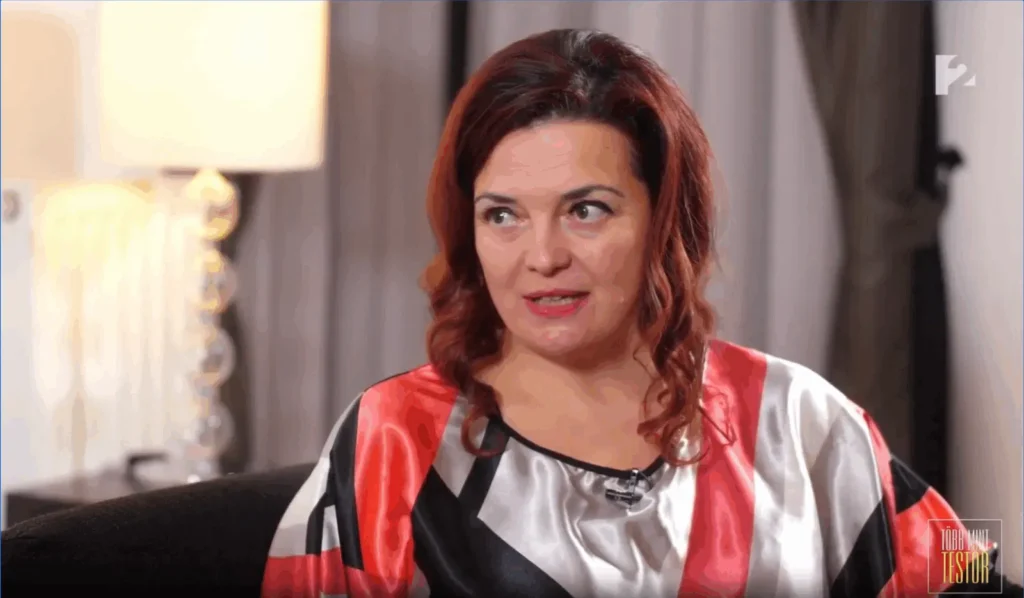
For over a decade, I have worked with thousands of men who feel like they are failing in their most private moments. They come to me frustrated, often having tried every pill, spray, or "distraction technique" found on the internet, only to find themselves more anxious than when they started. As Martina Somorjai (Szundi), an Award-Winning Potencyologist®, I have spent the last 10 years developing a methodology that looks past the surface. My work isn't about temporary "hacks" or chemical crutches; it’s about understanding the complex interplay between the brain, the nervous system, and masculinity. The industry is full of misinformation that actually reinforces performance issues rather than solving them. Today, I want to pull back the curtain and address five of the most damaging myths about lasting longer and maintaining potency. If you have been struggling, it is likely because you have been fighting the wrong battle. The Expert Behind the Transformation Before we dive into the myths, you should know that my approach is grounded in science and holistic restoration. I don’t believe in "fixing" a symptom; I believe in restoring the man. Whether it’s performance anxiety erectile dysfunction or the frustration of premature ejaculation anxiety, the root cause is rarely just physical. It is a neurological and psychological pattern that has been conditioned over time. In my PoP Potency Program, we use these scientific principles to rewire the brain and calm the nervous system, allowing for a permanent shift in confidence and physical readiness. Myth 1: "Lasting longer is all about physical control." The Reality: Timing and stamina are governed by the nervous system, not just muscle strength or "willpower." Many men believe that if they could just "hold back" or strengthen certain muscles, they would have more control. This is a fundamental misunderstanding of how the body functions during intimacy. Control is not a physical act of force; it is a state of the autonomic nervous system. When you are intimate, your body switches between the sympathetic (fight or flight) and parasympathetic (rest and digest) nervous systems. If you are experiencing premature ejaculation anxiety, your brain is likely stuck in a "high alert" sympathetic state. This sends a signal to the body to "finish" as quickly as possible. No amount of physical straining can override a nervous system that feels under pressure. The Fact: True control comes from learning how to regulate your internal state and teaching your brain that it is safe to slow down. It’s about mental anticipation and nervous system calibration, not just physical stamina. Myth 2: "PIED means you're broken forever." The Reality: The brain is plastic. Through neuroplasticity, you can recalibrate your response to natural intimacy. Many men who struggle with porn induced erectile dysfunction recovery (PIED) feel a deep sense of shame, fearing they have permanently "fried" their brains. While it’s true that excessive consumption of high-dopamine explicit digital content can desensitize the brain’s reward system, leading to pied symptoms like losing firmness with a real partner, the damage is not permanent. The human brain possesses an incredible quality called neuroplasticity. This means your neural pathways can be re-formed. In the PoP Program, we use specific brain regeneration exercises designed to "reset" these circuits. By stepping away from artificial stimulation and engaging in targeted mental exercises, you can regain your sensitivity to real-world connection. The Fact: PIED recovery is a process of neurological rewiring. You aren't broken; you are just currently "tuned" to the wrong frequency. With the right methodology, you can tune back into natural intimacy. Myth 3: "Performance anxiety ED only happens to nervous guys." The Reality: Even high-achieving, confident men experience performance anxiety erectile dysfunction due to psychological conditioning and pressure. I often see men who are successful in their careers, confident in social settings, but struggle behind closed doors. This myth suggests that performance issues are a sign of a "weak" or "nervous" personality. This couldn't be further from the truth. Performance anxiety is often a result of situational conditioning. One bad experience can lead to a cycle of "spectatoring", where you are so focused on whether or not you will perform that you stop actually feeling the intimacy. This mental pressure creates a physical block. The more you value the partner or the "performance," the higher the pressure becomes. This is a common erectile dysfunction psychological cause that has nothing to do with your general level of bravery or confidence. The Fact: It is the pressure to perform that creates the block, not a lack of character. Restoring potency requires breaking the mental loop of monitoring yourself during intimate moments. Myth 4: "Pills are the only way to fix premature ejaculation anxiety." The Reality: Medication masks symptoms; root-cause work creates permanent, natural change. The pharmaceutical industry has convinced millions of men that a pill is the only answer to potency or timing issues. While pills can create a temporary physical response, they do absolutely nothing to address the erectile dysfunction psychological causes or the neurological patterns of anxiety. In fact, relying on medication can often increase anxiety. Men become worried about whether the pill will work in time, or they feel a loss of confidence because they feel "dependent" on a chemical to be a man. My philosophy is different. By focusing on the root, whether it is trauma processing, brain regeneration, or nervous system regulation, we aim for a state where you no longer need external help. We focus on how to last longer in bed naturally by addressing why your body is rushing or shutting down in the first place. The Fact: Permanent change comes from the inside out. Once you address the mental and neurological triggers, your body will follow. Myth 5: "Natural potency restoration takes years." The Reality: The PoP Potency Program is designed to see results in just 30 days by targeting the right mechanisms. Men often avoid seeking help because they think they will have to spend years in therapy or doing tedious exercises. This is a myth
Natural Potency Q&A: 5 Myths That Hold You Back

For over a decade, I have sat across from men: both in person and virtually: who feel like they have lost a core part of themselves. They come to me frustrated, often after trying every "blue pill" or supplement on the market, only to find that the spark in their intimate life is still flickering or gone. As Martina Somorjai (Szundi), an Award-Winning Potencyologist®, I have dedicated my career to uncovering why traditional methods often fail and how we can restore masculine confidence using the brain’s own power. The path to recovery is frequently blocked by misinformation. Today, I want to pull back the curtain and bust the five most common myths that keep men stuck in a cycle of performance anxiety and frustration. Myth 1: "If you are struggling with performance, it is just a physical issue: you need pills." This is perhaps the most damaging misconception in modern health. When a man experiences a lapse in his physical response, the immediate reaction is often to look for a chemical "quick fix." The Truth: While blood flow is a factor, the vast majority of performance challenges for men under 50 are rooted in psychological and neurological causes. Your brain is the most potent organ in your body. If you are experiencing performance anxiety erectile dysfunction, the issue isn't that your "machinery" is broken; it’s that your internal software is sending a "danger" signal instead of an "arousal" signal. When you are stressed or worried about how you will perform, your body releases adrenaline. Adrenaline is the enemy of intimacy: it constricts blood vessels and pulls energy away from your manhood to prepare you for "fight or flight." Pills may temporarily force a physical response, but they do nothing to address the fear and anxiety that caused the shutdown in the first place. My approach focuses on fixing the root cause, not just masking the symptom. Myth 2: "Digital-induced performance issues mean you are broken forever." Many men who have spent years consuming adult content find that they struggle to stay present or responsive with a real-life partner. This is often referred to as porn induced erectile dysfunction recovery: though for the sake of our discussion, let’s call it "screen-based performance fatigue." When this happens, it’s easy to feel like you’ve permanently "fried" your brain. The Truth: Your brain is remarkably resilient. Thanks to a concept called neuroplasticity, your neural pathways can and do rewire themselves. Just as you "learned" to respond to artificial stimuli, you can retrain your brain to find deep, natural arousal in the presence of a real partner. Recovery is not just possible; it is a predictable outcome when you follow a structured system. In my PoP Potency Program, we use specific brain regeneration exercises designed to break the old, artificial conditioning and restore your natural sensitivity. You aren't broken; you are simply out of sync, and we can bring you back. Myth 3: "Learning how to last longer naturally is about willpower alone." I often hear men say, "I just need to try harder to stay calm," or "I need to think about something boring to delay the climax." They treat their performance like a test of mental endurance. The Truth: How to last longer in bed naturally has very little to do with willpower and everything to do with your autonomic nervous system. If your body is stuck in a "high-alert" state, your nervous system will naturally try to reach the finish line as quickly as possible to relieve the tension. Retraining this response requires a holistic approach. It involves teaching your body how to stay in a state of relaxed arousal. Through the 12 hours of specialized content in my program, I guide you through techniques that soothe the nervous system, allowing you to enjoy the moment without the constant fear of an early ending. It’s about mastery, not just "holding on." Myth 4: "Premature ejaculation anxiety is just 'in your head,' so you should just ignore it." There is a common, dismissive piece of advice: "It's all in your head, just relax." This is incredibly unhelpful because it implies that the anxiety isn't "real" or that you can simply switch it off like a light. The Truth: Premature ejaculation anxiety is a very real, physiological response. When you feel anxious, your heart rate increases, your muscles tense, and your breath becomes shallow. These are physical changes that directly affect your performance. You cannot "ignore" your way out of a physiological response. You must address it systematically. We do this by identifying the trauma or performance-related triggers that set off this internal alarm. By processing these mental blocks and using physical grounding exercises, we can transform that nervous energy into confident, sustained presence. Myth 5: "Adult content performance issues are the same as regular age-related issues." Many men assume that all performance struggles are created equal. They think that if they have pied symptoms, they should just treat it like any other case of low drive or age-related fatigue. The Truth: Screen-based arousal issues have a very specific root cause tied to how your brain processes dopamine and visual stimuli. While "regular" challenges might be linked to general health or age, pied symptoms are often characterized by a "disconnection" between the mind and the body during real-life intimacy. Because the root cause is different, the recovery approach must be different. You cannot fix a neurological conditioning issue with a diet change or a gym membership alone: though those things help. You need a targeted strategy that addresses the specific neural pathways formed by high-speed digital media. A Leading Innovator in Natural Potency Restoration My work as a Potencyologist® is built on the belief that every man deserves to feel confident, capable, and connected. I have spent a decade refining a system that bypasses the pharmacy and goes straight to the source of the problem. As the creator of the PoP Program, I have been recognized for my innovative, pill-free approach to masculinity.