
Meta description: Learn how to last longer in bed naturally with five practical steps for PIED recovery, calmer confidence, and healthier intimate connection.
Performance anxiety can create a frustrating cycle: worry affects your body, the change in your body creates more worry, and each difficult experience appears to confirm the fear.
The good news is that this pattern can be understood and gradually changed. Natural potency restoration is not about forcing a response. It is about calming the nervous system, changing unhelpful mental habits, rebuilding healthy stimulation patterns, and creating safer intimate experiences.
This guide explains five practical steps you can begin today, especially if you are searching for pied recovery, noticing pied symptoms, or dealing with performance anxiety erectile dysfunction.

The expert perspective behind these steps
I am Martina Somorjai, the Award-Winning Potencyologist® behind the PoP approach. As a leading innovator in potency restoration, I focus on the psychological, mental, neurological, relational, and lifestyle patterns that can influence intimate performance.
In my work, I have seen that confidence is not a fixed personality trait. It is a skill that can be rebuilt through awareness, practice, and consistent action. The aim is not to chase a perfect response every time. The aim is to restore trust in your body and create a more relaxed connection with your partner.
Step 1: Calm your nervous system before trying to perform
When your mind detects danger, pressure, or judgment, your body may move into a heightened alert state. This can make it harder to stay present and respond naturally.
Try the two-minute breathing reset
Use this exercise once or twice each day, not only before intimacy:
- Inhale gently through your nose for four seconds.
- Pause for two seconds.
- Exhale slowly for six seconds.
- Repeat for two minutes.
- Notice the weight of your feet, legs, and body against the floor or bed.
The longer exhale gives your attention a simple task and helps move focus away from catastrophic predictions. You are not trying to force calm. You are showing your brain that the moment is manageable.
Daily action
Practice the breathing reset when you already feel calm. This makes it easier to use when anxiety rises.
During intimate moments, do not wait until panic is intense. At the first sign of tension, slow down, breathe, and reconnect with physical sensations such as warmth, touch, and pressure.
Step 2: Challenge the thoughts that create performance pressure
Many men experience a running mental commentary:
- “What if I lose my response?”
- “I have to last a certain amount of time.”
- “If I finish too soon, I have failed.”
- “My partner will lose respect for me.”
These thoughts are common examples of erectile dysfunction psychological causes and premature ejaculation anxiety. They can turn intimacy into a test instead of a shared experience.
Use the three-column thought exercise
Write down:
| Automatic thought | Evidence for and against it | Balanced replacement |
|---|---|---|
| “I always fail.” | Identify whether this is literally true. Note any positive or neutral experiences. | “I have had difficult moments, but I can learn new responses.” |
| “I must stay ready constantly.” | Notice how pressure affects your body. | “A natural response can change during intimacy.” |
| “My partner is judging me.” | Separate what you know from what you are guessing. | “I can communicate instead of reading their mind.” |
The replacement thought should be realistic, not artificially positive. You do not need to tell yourself that everything is perfect. You need to stop treating one difficult moment as a permanent verdict.
Daily action
Spend five minutes recording one anxious thought and rewriting it in a more accurate way. Repetition matters because the brain learns through practice.
Step 3: Rebuild natural stimulation pathways during PIED recovery
PIED recovery often requires a careful look at how your attention, stimulation, and reward patterns have developed. The label PIED is used by many men, but individual causes vary. Insufficient data to verify a single universal cause or recovery timeline.
Some men notice that highly stimulating digital material, constant novelty, or fast, automatic habits make real-life intimacy feel less engaging. Others notice that they have trained themselves to focus on intensity rather than sensation, connection, or gradual arousal.
Create a lower-pressure retraining routine
For a set period, consider:
- Reducing or pausing explicit digital content.
- Avoiding constant novelty and rapid switching between stimuli.
- Focusing on breathing and physical sensations during solo practice.
- Slowing down instead of rushing toward a specific result.
- Allowing your response to rise and fall without panic.
- Treating practice as observation rather than a test.
If you experience pied symptoms, track them without judgment. Note when they appear, what type of stimulation is involved, your stress level, and whether the difficulty happens alone, with a partner, or in both settings. Patterns can reveal useful information.
Daily action
Keep a short journal with four entries:
- Stress level.
- Stimulation used.
- Physical response.
- Thoughts or emotions present.
This is not about monitoring yourself obsessively. It is about replacing confusion with useful awareness.
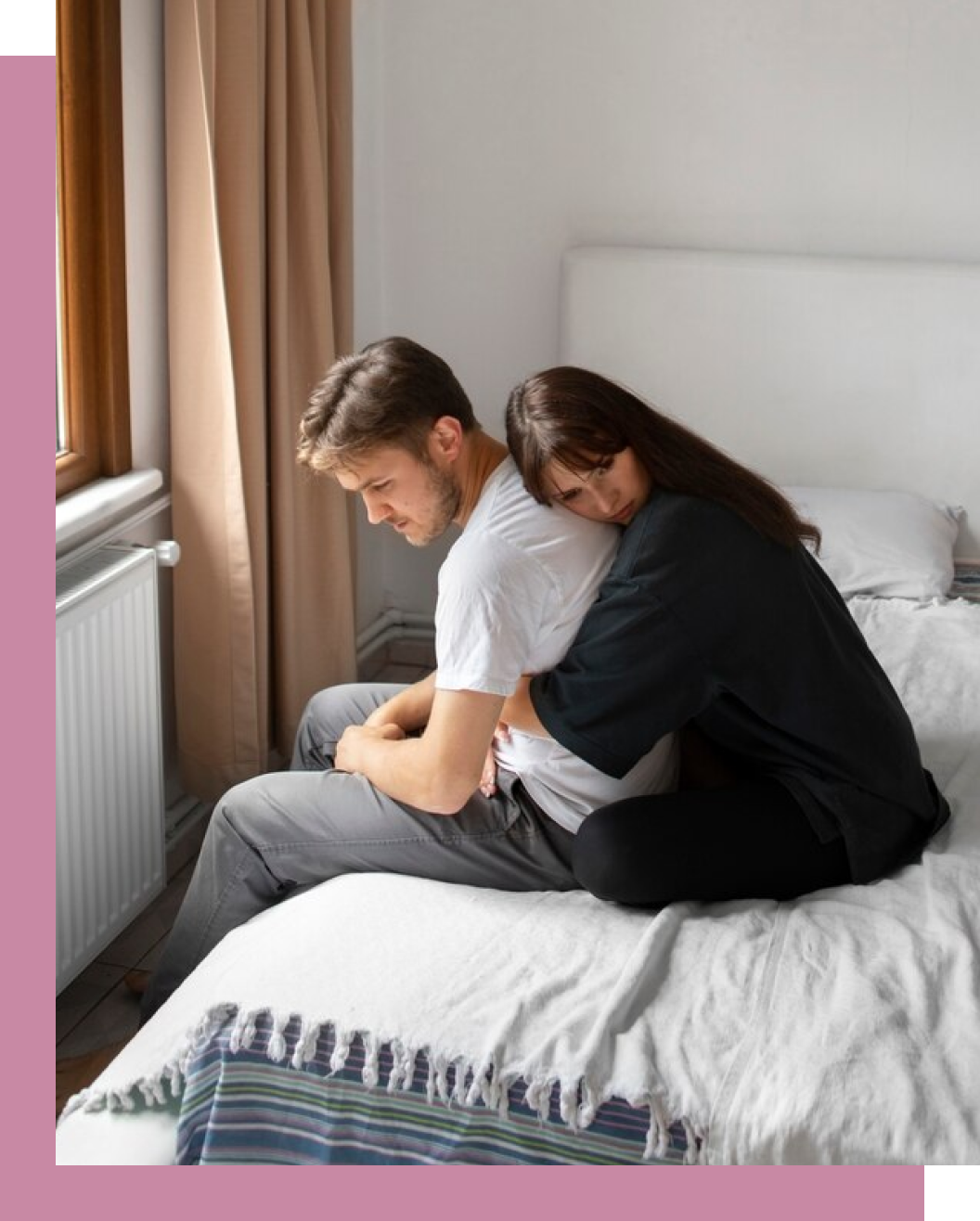
Step 4: Replace performance testing with intimate connection
Performance testing means repeatedly checking whether your body is responding correctly. This can happen mentally, through questions such as “Am I ready yet?” or physically, by rushing, stopping, and evaluating yourself.
Testing increases self-consciousness. Connection reduces it.
Have a simple conversation outside the bedroom
You do not need to explain every detail. You can say:
“I have been feeling pressure around performance. I want us to slow down and focus on connection rather than treating this like a test.”
Then agree on several low-pressure experiences where penetration or a particular outcome is not required. Focus on:
- Kissing and affectionate touch.
- Massage.
- Slow exploration.
- Eye contact and breathing together.
- Pausing when either person feels tense.
- Talking about what feels comfortable.
If your response changes, treat it as information rather than failure. Return to breathing, touch, or conversation. For many men, this is an important part of learning how to last longer in bed naturally because control improves when urgency and fear decrease.
Daily action
Spend at least ten minutes in non-demand touch with your partner, or practice mindful body awareness alone if you are not partnered. The goal is presence, not proof.
Step 5: Build a body and mind that can handle pressure
Anxiety does not exist in isolation. Poor sleep, chronic stress, low activity, heavy alcohol use, and overstimulation may all affect energy, mood, and confidence.
Strengthen the foundations
Choose a few habits you can repeat consistently:
- Move your body regularly through walking, strength training, or another activity you enjoy.
- Protect a stable sleep schedule.
- Eat regular, balanced meals.
- Limit heavy alcohol before intimacy.
- Notice whether caffeine increases tension or racing thoughts.
- Schedule short periods without screens or digital stimulation.
- Make time for calming activities that do not involve performance goals.
Gradual exposure also matters. If you have been avoiding intimacy, start with manageable steps. You might begin with affectionate touch, continue with relaxed undressed closeness, and progress only when the previous step feels less threatening.
If difficulties persist, appear suddenly, occur in every situation, or are accompanied by other physical changes, speak with a qualified healthcare professional. Medical, hormonal, vascular, medication-related, and psychological factors can overlap. You can also review the my PoP Program medical disclaimer.

A simple five-day practice plan
- Day 1: Complete the two-minute breathing reset.
- Day 2: Identify and reframe one anxious thought.
- Day 3: Review your stimulation and stress patterns.
- Day 4: Have a pressure-free connection conversation.
- Day 5: Choose one lifestyle habit to continue for the next week.
Repeat the cycle. Progress may be gradual, and one difficult experience does not erase improvement.
Frequently asked questions
What is the connection between performance anxiety and erectile dysfunction?
Anxiety can shift attention toward fear, judgment, and self-monitoring. That mental pressure may make it harder to remain present and respond naturally. The exact cause differs from person to person, so persistent difficulties should be assessed professionally.
Can I support PIED recovery naturally?
Some men find it useful to reduce explicit digital stimulation, slow down automatic habits, and rebuild awareness of real-world touch and connection. Individual results vary, and Insufficient data to verify one standard recovery schedule for everyone.
How can I last longer in bed naturally?
Start by reducing urgency and anxiety. Slow breathing, deliberate pauses, mindful attention, gradual stimulation, and honest communication can help you develop better awareness and control over time.
Is premature ejaculation anxiety treatable?
It can often be improved with structured practice, reduced pressure, communication, and professional guidance when needed. Treating the fear cycle is usually more useful than judging yourself after each experience.
Begin with a clearer understanding of your pattern
The first step toward change is identifying what is actually happening: when the difficulty appears, what thoughts accompany it, and which habits may be reinforcing it.
Complete the private Potency Questionnaire to examine your situation and identify a more focused direction for rebuilding confidence and natural potency.